Essential winter HVAC maintenance for homes and businesses
As the weather gets cooler, make sure your HVAC system is ready to keep your home or business comfortable. While HVAC systems are built to last, they require seasonal care to perform at their best. Proper winter maintenance can help prevent costly repairs, enhance energy efficiency, and extend the life of your system.
Fortunately, routine winter HVAC maintenance can prevent most of these issues. By following a thorough checklist, you’ll extend the lifespan of your equipment, lower your energy bills, and keep your indoor spaces comfortable all season long. In this guide, we’ll walk you through the most essential winter HVAC maintenance tasks for both commercial and residential properties.
Note: While there are some steps that homeowners or facility managers can safely complete, many require professional expertise. Our HVAC contractors in Raleigh are trained to handle every aspect of seasonal maintenance, ensuring your system is safe, reliable, and efficient.
1. Replace or Clean Filters
Air filters are one of the simplest yet most important parts of your HVAC system. Dirty or clogged filters restrict airflow, forcing your system to work harder. This not only reduces efficiency but can also spread dust and allergens throughout your space.
- Residential Systems: Check filters monthly during the heating season. Replace them every 1–3 months depending on usage and household needs (especially if you have pets or allergies).
- Commercial Systems: Because of higher occupancy and usage, filters may need more frequent inspection and replacement.
Always use filters that meet your manufacturer’s specifications. Upgrading to high-efficiency filters can also improve indoor air quality.
2. Inspect and Clean Ductwork
Your ductwork is the delivery system for heated air. Over time, dust, debris, and even mold can accumulate inside ducts, blocking airflow and reducing efficiency.
- Residential: If you notice inconsistent heating, excess dust, or musty odors, it may be time for duct cleaning.
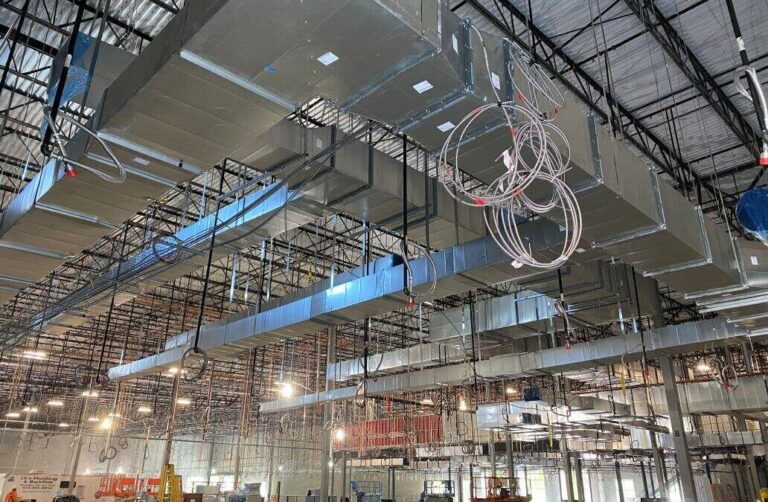
- Commercial: Large buildings often experience uneven heating when ducts are obstructed. Regular inspections prevent airflow issues that can impact employee comfort and productivity.
Professional cleaning not only improves system performance but also enhances indoor air quality.
3. Check Thermostat Settings
Your thermostat is the control center of your HVAC system. If it isn’t calibrated correctly, your system could be overworking – or underperforming.
- For Homeowners: Test your thermostat by setting the temperature a few degrees higher than the current room temperature to ensure the system responds. Consider upgrading to a programmable or smart thermostat to save energy.
- For Businesses: Programmable thermostats and building management systems (BMS) allow you to schedule heating according to occupancy, reducing wasted energy during evenings or weekends.
4. Examine the Heat Exchanger
The heat exchanger is critical for producing warm air safely. Cracks or corrosion in this component can lead to carbon monoxide leaks, which are extremely hazardous.
This inspection should always be performed by a qualified HVAC technician with the right tools. If a problem is detected, immediate repair or replacement is necessary.
5. Lubricate Moving Parts
Like any machine, your HVAC system contains motors, fans, and other moving components. Without lubrication, these parts experience excess friction, leading to wear and tear.
- Residential Units: Regular lubrication keeps the blower motor and fan running smoothly.
- Commercial Units: Larger systems have more moving components, making lubrication even more critical to avoid downtime.
6. Inspect and Clean Blower Components
The blower motor and fan blades are responsible for circulating heated air. If they are dirty or malfunctioning, airflow will suffer, reducing efficiency and comfort.
- Inspection: Look for dust buildup, loose belts, or signs of wear.
- Cleaning: Removing dust and grime restores proper airflow and prevents overheating.
7. Check Electrical Connections
Faulty electrical connections are not only a safety hazard but also a common cause of system failures. Loose or frayed wires can cause the system to short cycle, overheat, or fail altogether.
During a maintenance visit, technicians will tighten connections, inspect wiring, and test voltage to ensure safe and efficient operation.
8. Test System Controls
Your HVAC system should start, operate, and shut off smoothly. Problems with system controls can lead to short cycling, inefficient heating, or complete failure.
- Residential Systems: Testing includes verifying proper ignition, safety shut-offs, and operational sequencing.
- Commercial Systems: For larger buildings, technicians may also confirm that the BMS is correctly integrated with HVAC controls.
9. Inspect and Clear Flue System
The flue system allows combustion gases to safely exit the building. If blocked or damaged, these gases can leak indoors.
- Residential: Check for nests, debris, or ice buildup around flue vents.
- Commercial: Larger exhaust systems must be regularly inspected to maintain compliance with safety regulations.
10. Clean Coils and Other Components
Dust, dirt, and grime don’t just collect in filters – they also build up on evaporator and condenser coils. Dirty coils reduce heat transfer, forcing your system to work harder.
- Indoor Coils: Cleaning prevents reduced airflow and keeps humidity under control.
- Outdoor Coils: Clearing away dirt, leaves, or snow ensures efficient heat exchange.
Stay Warm and Worry-Free This Winter
By following our HVAC maintenance guide, we can help you enjoy a warm and worry-free winter season. Regular maintenance not only improves reliability but also enhances efficiency, saving you money on energy bills.
If you’re interested in regularly scheduled HVAC maintenance, contact our commercial or residential contractors in Raleigh. We’re here to keep your systems running smoothly, no matter the weather!
Learn about common heating problems in commercial systems and how to prevent them on our blog.