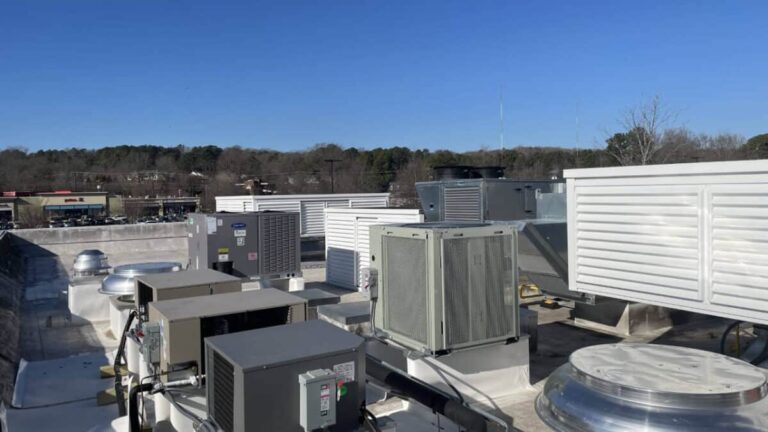
Avoid these common HVAC pitfalls before fall hits Raleigh
August is the ideal time to prepare for a seasonal transition. The heat hasn’t entirely let up, but cooler nights are around the corner. HVAC systems that are running overtime now could be heading toward failure if not properly maintained.
At Carolina Commercial Systems, we’ve seen it all: emergency breakdowns on the hottest days of summer, heating failures during the first real frost, and everything in between. Here are the top 5 HVAC failures to avoid as the seasons change, and what you can do to prevent them.
1. Neglecting Preventative Maintenance
One of the most common and most preventable failures we encounter is the result of deferred or overlooked maintenance. After a long summer of heavy usage, your HVAC system is likely in need of a checkup. Filters are clogged, refrigerant levels may be off, and belts or electrical components could be showing signs of wear.
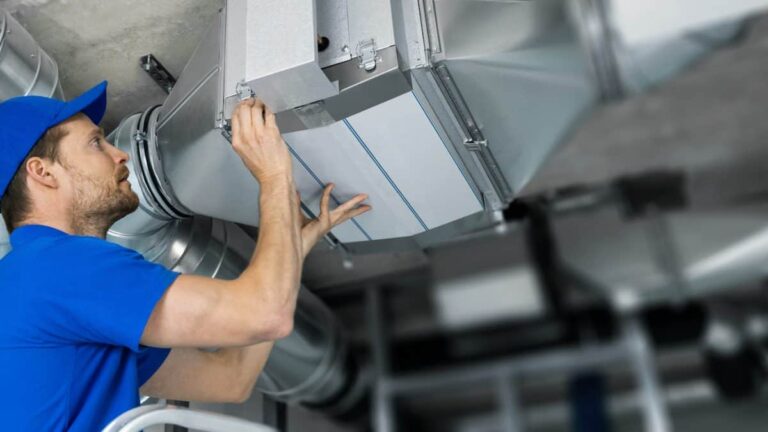
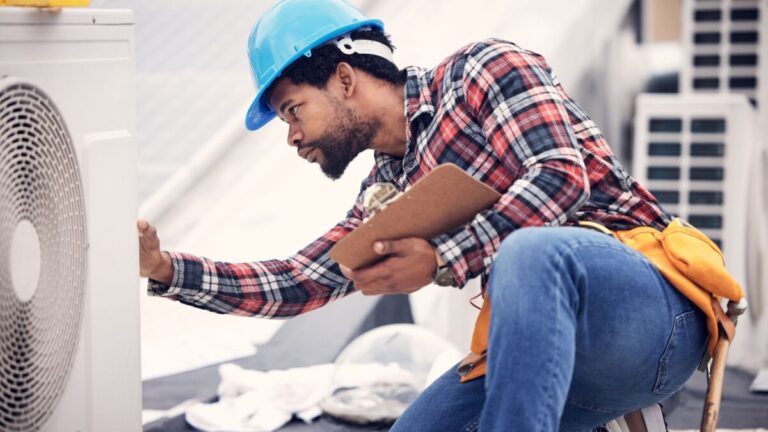
Schedule a professional inspection for your commercial or residential system before the fall chill arrives. This should include:
- Checking and replacing filters
- Cleaning coils and blower components
- Inspecting electrical connections
- Measuring refrigerant levels
- Testing thermostat calibration
Preventative maintenance isn’t just a recommendation: it’s a low-cost investment that avoids expensive repairs down the road.
2. Failing to Transition Settings and Controls
As the weather changes, HVAC control settings often go ignored. Thermostats left on “cool” when outdoor temperatures begin to drop can lead to inefficient energy use, unnecessary wear, and even occupant discomfort.
In larger commercial systems with automated controls or zoning systems, improper seasonal transitions can be even more impactful. You might have an entire floor being cooled when it should be warmed, or vice versa.
Switch from cooling to heating mode when daytime temps begin to fall consistently below 70°F. Consider installing programmable or smart thermostats that automatically adjust settings based on occupancy and weather patterns. For commercial systems, schedule a BAS (Building Automation System) audit to ensure optimal seasonal transitions.
Overlooking Air Quality and Ventilation
Indoor air quality tends to degrade during transitional months, especially as buildings begin to be sealed for the colder seasons. Dust, mold, and allergens can accumulate in ductwork or filters. In commercial environments, poor ventilation systems can lead to “sick building syndrome”, a real concern as people spend more time indoors.
Have your HVAC contractor assess your home or building’s ventilation system. Key steps include:
- Replacing filters with HEPA-grade alternatives
- Cleaning and sealing ductwork
- Adding air purifiers or humidity control systems
- Verifying fresh air intake levels in commercial spaces
4. Ignoring Heating Components Until It’s Too Late
Once temperatures drop, everyone rushes to turn on the heat, only to discover it’s not working. The heating system hasn’t been tested in months, and issues like ignition failure, cracked heat exchangers, or blocked vents reveal themselves at the worst time.
Don’t wait until November to find out your heating isn’t working. In August or September follow our winter HVAC maintenance checklist:
- Test your heat for 20–30 minutes
- Listen for unusual noises or smells
- Check for airflow from all vents
- Schedule a fall heating inspection, especially if your system uses gas
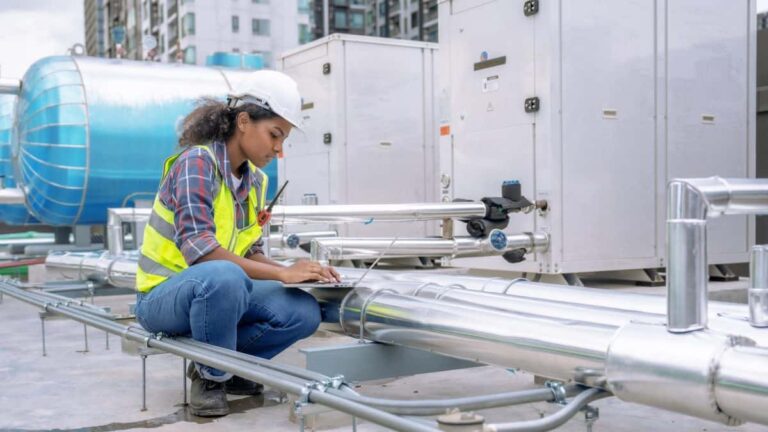
For commercial buildings with boilers, RTUs, or multi-zone systems, early inspections help catch problems before the heating load increases.
Water leaking from your furnace? Learn what it means.
Overloading Aging Systems
Systems that are already 10+ years old are especially vulnerable during season transitions. Going from high-cooling demand to moderate heating needs stresses already worn-out components.
In commercial settings, older systems might be running on outdated refrigerants or energy-hogging motors, leading to efficiency losses and increased chances of mechanical failure.
Know the age and condition of your system. If it’s past its prime, start planning for a replacement during the shoulder seasons, before you’re stuck with an emergency in peak winter. Take advantage of seasonal promotions and utility rebates for energy-efficient upgrades like:
- Heat pumps (great for Raleigh’s climate)
- High-efficiency furnaces
- Smart zoning systems for large commercial facilities
Final Thoughts
As a trusted local HVAC contractor serving both residential and commercial customers, we urge all property owners to treat seasonal transitions as critical checkpoints. The cost of prevention is always less than the cost of emergency repair.
Stay ahead of the curve and stay comfortable all year long.