Learn how to identify serious HVAC noise concerns
As an HVAC contractor serving the greater Raleigh, NC area, one of the most common calls we receive involves mysterious noises coming from heating and cooling systems. From clanks and bangs to hisses and hums, home and business owners are often puzzled – and sometimes alarmed – by the sounds their HVAC systems make. While some noises are completely normal, others can be red flags indicating your system is in distress.
Understanding what these sounds mean can save you from costly repairs and ensure your HVAC system runs efficiently. Let’s decode the language of HVAC noises so you can recognize when your system is simply communicating and when it’s actually crying out for help.
The Everyday Hum: Normal or Not?
Every HVAC system produces a low, consistent humming sound during operation. This hum comes from motors, fans, and compressors and is generally nothing to worry about. In fact, it’s a sign that your system is running.
If the hum becomes noticeably louder, starts vibrating the walls, or turns into a buzzing noise, it could indicate a failing motor or a loose part inside the compressor. Electrical issues, like failing relays or contactors, can also make a humming or buzzing noise.
Banging or Clanking: Metal-on-Metal Trouble
Loud banging or clanking usually indicates that a component has come loose or is broken. Often, this sound stems from:
- A loose or broken blower motor fan
- A displaced motor mount
- Debris caught in the system
- Worn-out compressor components
Ignoring this noise can lead to major mechanical damage and costly repairs. In older homes or buildings, especially those built before 1980, aging HVAC units are more prone to wear-and-tear issues. A preventive inspection could catch loose parts before they cause significant damage.
Screeching or Squealing: Time to Tune Up
High-pitched squealing or screeching often points to belt or motor issues. Older HVAC systems may still use belts to drive the blower, and over time these belts can become worn or misaligned. Other causes include:
- Worn-out motor bearings
- Malfunctioning fan motors
- Misaligned or loose blower wheel
While not always an emergency, these noises indicate wear and should be addressed quickly to avoid failure.
Rattling or Vibrating: Something’s Loose
If your HVAC unit starts rattling, it could be something as simple as a loose panel or screw. However, it may also signal that a larger component is vibrating out of place. Potential culprits:
- Loose ductwork
- A failing motor
- Unsecured air handler panels
- External debris (like twigs or leaves)
If tightening visible screws and panels doesn’t solve the issue, it’s time to call in a professional to dig deeper.
Hissing or Whistling: Airflow Issues or Leaks
A hissing or whistling noise often points to air escaping from places it shouldn’t. This sound can stem from:
- Leaky ducts
- Cracked or aging refrigerant lines
- Clogged air filters causing pressure buildup
- Faulty valves
A refrigerant leak isn’t just bad for your HVAC’s performance. It’s also bad for your health and the environment. Plus, it reduces efficiency and can shorten the life of your system.
Clicking: A Startup Clue
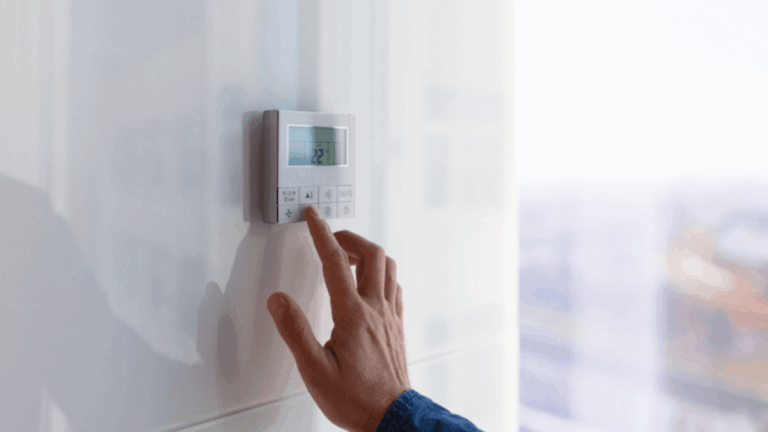
It’s normal to hear a clicking sound when your system starts up or shuts down. This comes from the thermostat relaying signals to the system’s components.
But beware of repeated or constant clicking, as this can mean:
- A failing relay
- A faulty thermostat
- Electrical issues
If the clicking persists and your unit fails to start, the issue could be with the capacitor or control board, both of which should be addressed by a professional.
Booming or Popping: Duct Expansion or Something More?
In winter, you may hear booming or popping sounds, especially when the heat first kicks on. This is often due to metal ductwork expanding and contracting as it heats and cools. Not usually dangerous, but if the sounds are loud or sudden enough to startle you, they could also indicate:
- Ignition delay in a gas furnace (a potentially serious safety issue)
- Dirty burners
- Improper gas pressure
Dripping or Gurgling: Water Woes
Water noises, like gurgling or dripping, often indicate a problem with your condensate drain or refrigerant line. You might also hear these sounds when:
- The drain pan is full or cracked
- There’s a clog in the drain line
- Refrigerant is low or bubbling
These moisture-related issues can lead to mold growth, water damage, and reduced system performance.
Raleigh’s high humidity levels – especially in the summer – mean condensate drains work overtime. If your system isn’t draining properly, it could back up fast.
What You Should Do When You Hear a Strange HVAC Noise
- Don’t ignore it: Sounds are often your HVAC’s way of alerting you to a potential issue.
- Turn off the system: If the noise is sudden, loud, or accompanied by poor performance.
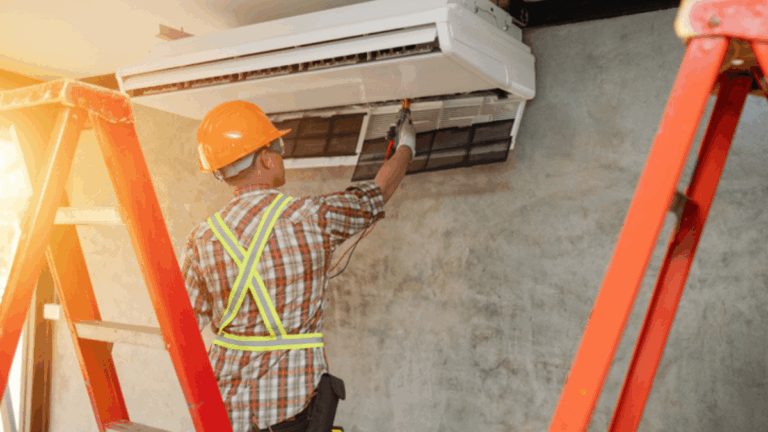
- Call a licensed HVAC technician: Our team can inspect your system to determine the cause of the noise.
- Schedule regular maintenance: Many of these issues can be prevented with twice-a-year tune-ups, ideally in spring and fall.
- Change your filters: Something as simple as a clogged filter can cause pressure problems, leading to squealing, whistling, or even banging noises.
Final Thoughts: Listen to What Your HVAC is Telling You
Your HVAC system communicates in its own language: through sound. Recognizing and understanding these noises can make a huge difference in your system’s lifespan, performance, and your household’s comfort.
As HVAC professionals, we understand the unique demands our local climate places on heating and cooling systems. Have you noticed a strange sound from your system lately? Don’t wait: call Carolina Commercial Systems today to keep your system running smoothly and quietly all year long.