How to discover the perfect HVAC system based on your needs
For any commercial property owner or facility manager, one of the most important long-term decisions is choosing the right heating, ventilation, and air conditioning (HVAC) system. The system you select not only determines how comfortable and productive your occupants will be but also significantly impacts operating expenses, energy use, and the overall sustainability of your building.
In Raleigh, the region’s humid subtropical climate means that a commercial HVAC system must be versatile enough to handle sweltering summers with high humidity and chilly winters with occasional cold snaps. A poorly chosen system can lead to spiraling costs, frequent maintenance headaches, and an uncomfortable indoor environment that affects both employees and customers.
This guide will walk you through the key considerations when selecting a commercial HVAC system for your building, with practical tips tailored to the unique needs of businesses in Raleigh and the surrounding areas.
Climate Considerations
Raleigh experiences hot, humid summers where cooling demands can be intense, followed by winters that require reliable heating. Average high temperatures can exceed 90°F in July, while January lows can dip into the 30s. This fluctuation makes it critical to choose a system capable of delivering both efficient cooling and consistent heating.
Why it matters:
- Systems must maintain comfort across temperature extremes.
- Humidity control is vital to prevent mold growth and maintain indoor air quality.
- Flexibility and adaptability ensure that occupants remain comfortable throughout the year without overburdening the system.
Energy Efficiency
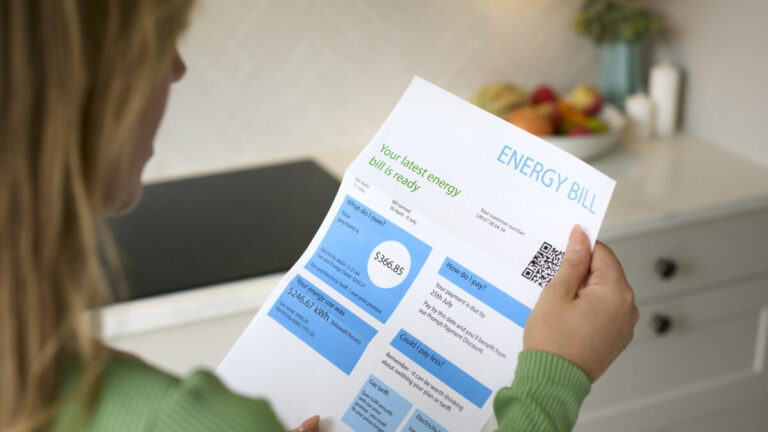
As sustainability and energy costs become increasingly important considerations, energy efficiency should be at the forefront of your HVAC selection. Commercial systems are long-term investments, and operational costs over the system’s lifespan often outweigh initial installation expenses.
Look for systems with:
- High SEER (Seasonal Energy Efficiency Ratio) and EER (Energy Efficiency Ratio) ratings. These indicate cooling efficiency and can result in substantial utility savings.
- ENERGY STAR® certification. This ensures compliance with stringent energy-efficiency standards.
- Features such as variable-speed fans and advanced compressors. These technologies allow the system to operate more efficiently by adjusting output based on real-time demand rather than running at full power constantly.
Size Matters
Bigger doesn’t always mean better when it comes to HVAC. An oversized unit may cool or heat your building quickly, but it will cycle on and off more frequently, leading to energy waste and uneven temperature control. Conversely, an undersized system will struggle to keep up with demand, causing excessive wear and discomfort for occupants.
What to consider when sizing:
- Building square footage
- Insulation quality and building envelope
- Number of occupants
- Heat-generating equipment such as computers, lighting, or kitchen appliances
- Room usage and layout
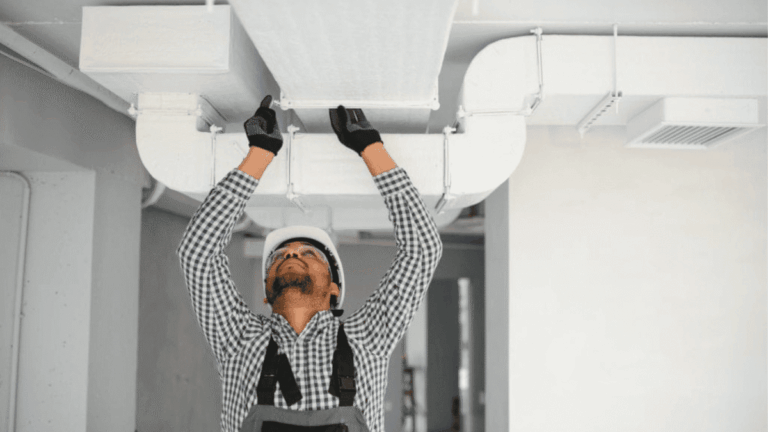
Professional HVAC contractors use load calculations to determine the exact capacity needed. This ensures that the system chosen is the right fit for your specific building, balancing comfort, efficiency, and durability.
Technology and Innovation
Modern HVAC systems go beyond simple heating and cooling. Today’s systems integrate advanced technologies that improve control, efficiency, and user experience.
Key innovations to consider:
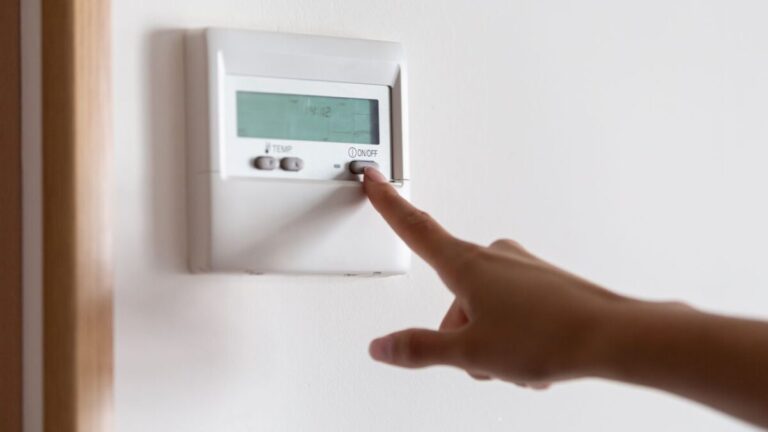
- Smart thermostats and zoning systems: Allow facility managers to program and adjust settings based on occupancy and schedules.
- Remote monitoring and control: Provides the ability to oversee performance and make adjustments from mobile devices or computers.
- Building automation systems (BAS): Integrate HVAC with lighting, security, and other building systems for comprehensive energy management.
- Advanced filtration and air purification: Improve indoor air quality, an especially important factor in today’s health-conscious work environment.
By investing in technology, you not only reduce wasted energy but also enhance the comfort and productivity of everyone in the building.
Maintenance and Serviceability
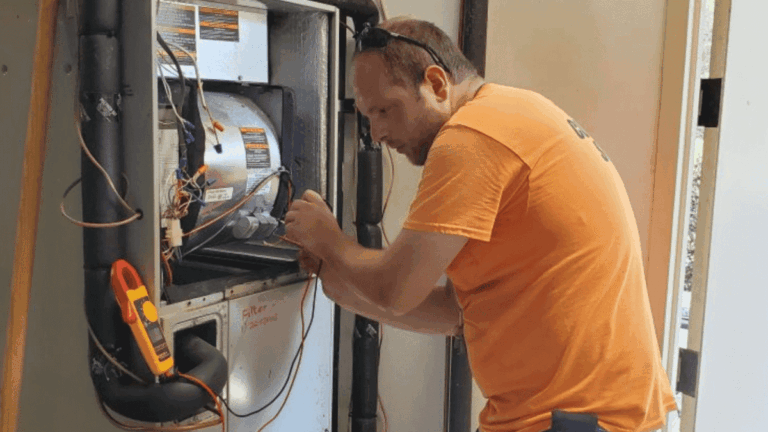
No matter how advanced or efficient your HVAC system is, it will only perform as well as it is maintained. Regular maintenance keeps systems running smoothly, extends their lifespan, and prevents costly breakdowns.
When selecting a system, consider:
- Ease of access to components: Units designed for straightforward service reduce downtime and labor costs.
- Availability of replacement parts: Choose systems from reputable manufacturers with strong service networks.
- Support from local contractors: Partner with a trusted service provider like Carolina Commercial Systems for routine inspections, cleaning, and preventative maintenance.
Think of maintenance as an investment in reliability. A proactive approach ensures fewer surprises and a system that performs consistently year after year.
Local Regulations and Incentives
Every region has its own building codes, and Raleigh is no exception. Ensuring compliance with these codes is not just a legal requirement – it’s a safeguard for safety and long-term operational stability.
Steps to take:
- Consult with local authorities or contractors familiar with Raleigh’s codes.
- Verify that your chosen HVAC system meets or exceeds energy efficiency standards required in North Carolina.
- Explore rebates, grants, or incentives offered by state or local governments for energy-efficient systems.
Taking advantage of these incentives can reduce upfront costs significantly while helping you make a more sustainable choice.
Cost Considerations
Cost is often a deciding factor in any major building upgrade. However, looking only at initial installation costs can be misleading. Instead, consider the total cost, which includes:
- Purchase price and installation
- Energy costs over time
- Maintenance and repair expenses
- Expected lifespan of the system
A slightly more expensive system that is energy-efficient and reliable may prove far more cost-effective over its lifespan than a cheaper, less efficient alternative.
We can help you find the right HVAC for your commercial building
Selecting the right commercial HVAC system is about creating an environment that supports productivity, reduces costs, and promotes sustainability. In a climate like Raleigh’s, versatility, efficiency, and reliability are essential.
By considering climate needs, energy efficiency, system sizing, technology, maintenance, and local regulations, you can make a confident, informed decision. Partnering with experienced professionals ensures that your investment pays off in both comfort and long-term value.
At Carolina Commercial Systems, we specialize in commercial HVAC solutions tailored to the unique needs of Raleigh, Durham, Chapel Hill, and surrounding area businesses. Contact us today to learn more and get started.