Optimizing your comfort
When it comes to installing or upgrading a heating, ventilation, and air conditioning (HVAC) system, many home and business owners focus on equipment brands, energy ratings, or upfront cost. While these are all important considerations, the true foundation of comfort and efficiency begins with something less visible but far more essential: the HVAC load calculation.
Without proper load calculations, even the best system can underperform, leading to higher bills, discomfort, and frequent breakdowns. So, what exactly are HVAC load calculations, why are they so important, and how do they ensure you get the best return on your investment? Let’s dive in.
What Is an HVAC Load Calculation?
An HVAC load calculation is the process of determining the precise heating and cooling requirements of a building. In simple terms, it’s how HVAC professionals figure out the right size system for your space.
Rather than guessing based on square footage alone, a thorough load calculation takes into account a variety of factors that influence how much heating or cooling a space actually needs. These include:
- Total square footage of the building
- Number of doors and windows and their energy efficiency ratings
- Insulation levels (R-value of walls, attic, floors, etc.)
- Building orientation (north-facing vs. south-facing)
- Ceiling height and volume of interior space
- Local climate and weather patterns
- Air leakage rates and building tightness
- Internal heat gains from occupants, appliances, and lighting
This detailed analysis ensures your system is tailored to your specific environment, not just a “one-size-fits-all” approach.
Importance of Accurate Calculations
Installing an HVAC system without proper load calculations is like buying shoes without knowing your size – you might end up with something too small, too big, or just uncomfortable. Let’s break down the risks of improper sizing.
Risks of an Undersized HVAC System:
- Struggles to reach the desired temperature.
- Runs continuously, causing high energy bills.
- Increased wear and tear due to overworking.
- Reduced ability to maintain comfort during extreme weather.
Risks of an Oversized HVAC System:
- Short cycling (frequently turning on and off).
- Uneven temperatures, creating hot and cold spots.
- Higher upfront cost with wasted capacity.
- Reduced system lifespan due to unnecessary strain.
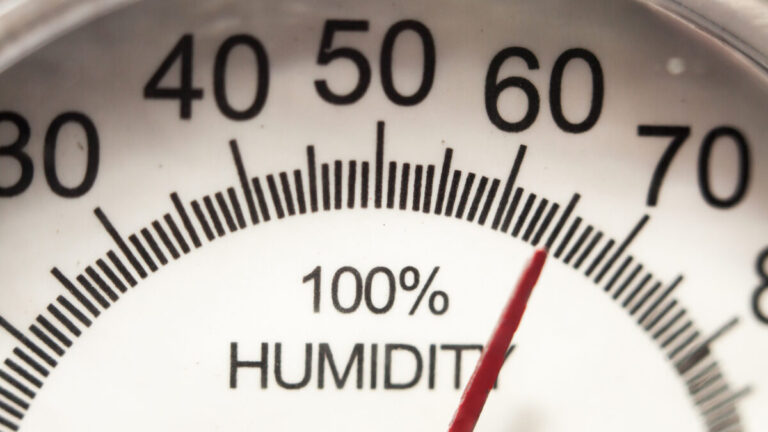
- Poor humidity control, leading to stuffy air or even mold growth.
In both cases, improper sizing leads to higher costs, lower comfort, and shorter equipment life: all of which could be avoided with a proper load calculation.
Benefits of Correct Sizing
The advantages of getting load calculations right go far beyond just comfort. Here are some of the most important benefits:
- Energy Efficiency: When your HVAC system matches your building’s exact needs, it operates at peak efficiency. This means less wasted energy, lower utility bills, and a reduced carbon footprint.
- Cost Savings: From monthly savings on energy bills to fewer repairs and a longer system lifespan, the financial benefits of correct sizing quickly add up.
- Improved Comfort: Accurately sized systems provide consistent indoor temperatures without annoying fluctuations, hot spots, or drafts.
- Better Air Quality: Oversized units can struggle with humidity control, while undersized units often fail to circulate air effectively. Proper sizing ensures balanced humidity and cleaner, healthier air.
- Eligibility for Rebates: Energy efficiency programs often require proof of professional load calculations before granting rebates or incentives. Correct sizing could literally pay off.
Why Choose Professional Services?
Professional load calculations take all critical factors into account, ensuring the optimal performance of the HVAC system. To guarantee long-term efficiency, consider enrolling in a maintenance plan for commercial or residential properties.
Some homeowners (or even inexperienced contractors) attempt to size systems using rough estimates, such as “500 square feet per ton of cooling.” While tempting for its simplicity, this shortcut can be dangerously misleading.
For example:
- A 2,000-square-foot home with poor insulation in a hot climate may require much more capacity than the rule suggests.
- A 2,000-square-foot home with excellent insulation, energy-efficient windows, and shade trees may require significantly less.
Only a full load calculation can reveal the true requirements of a space.
Final Thoughts
In conclusion, HVAC load calculations are a pivotal step in ensuring an efficient and cost-effective heating and cooling system for your space. By accurately assessing your specific needs, a tailored solution can be provided, enhancing comfort and optimizing energy usage.
For home or building owners in the Raleigh, NC area, partnering with an experienced HVAC provider ensures peace of mind and a system that meets all comfort requirements while being energy efficient. Consider experts like Carolina Commercial Systems for all your HVAC needs. Contact us today to get started.