Dealing with weak airflow? Let’s review common HVAC problems and fixes
If you’ve noticed that some rooms in your Raleigh property feel warmer or cooler than others – or that your vents are barely pushing out air – it’s likely your HVAC system is struggling with poor airflow. Weak airflow isn’t just uncomfortable; it can also strain your system, increase your energy bills, and reduce indoor air quality.
Fortunately, most airflow problems have identifiable causes and fixable solutions. Let’s break down the most common reasons for poor airflow, how to diagnose them, and when to call a professional HVAC technician.
Why Proper Airflow Matters
Your HVAC system depends on consistent air circulation to heat or cool your property efficiently. When airflow is restricted, your system must work harder to move conditioned air through ducts and into your living spaces. This extra strain can lead to:
- Uneven temperatures: Some rooms feel stuffy, while others stay too cold or too warm.
- Increased wear and tear: Components like the blower motor and compressor may fail sooner.
- Reduced energy efficiency: Your system runs longer to achieve set temperatures, driving up energy costs.
- Poor indoor air quality: Restricted air movement traps dust, allergens, and moisture inside.
Now let’s look at the common culprits behind weak HVAC airflow and what you can do about them.
1. Dirty or Clogged Air Filters
This is the #1 cause of poor airflow. Over time, dust, pet hair, and debris collect on your air filter, blocking air from passing through freely.
Symptoms:
- Weak air coming from vents
- Rising energy bills
- More dust around your space
- System short-cycling (turning on and off frequently)
The fix:
Check your air filter every month and replace it every 1–3 months depending on usage and season. During peak summer and winter months in Raleigh, your HVAC works hardest, so change the filter more often.
2. Blocked or Closed Vents and Registers
Furniture, rugs, or drapes covering vents can significantly restrict airflow. Sometimes people close vents in unused rooms, thinking it saves energy – but it actually increases pressure in your ductwork and reduces overall efficiency.
Sympto
- Certain rooms feel uncomfortable
- Weak or no airflow from blocked vents
- Whistling or pressure noises from ductwork
The fix:
Walk through your space and ensure all vents and registers are open and unobstructed. Keep at least 12 inches of clearance around each one. This allows your HVAC to circulate air evenly throughout.
3. Leaky or Dirty Ductwork
Your property’s ductwork is like the circulatory system for your HVAC unit. If ducts are dirty, kinked, or leaking air, you’ll experience weak or inconsistent airflow, especially in rooms farther from the air handler.
Symptoms:
- Uneven heating or cooling between rooms
- Excessive dust around vents
- Whistling or rattling noises in ducts
- Higher utility bills
The fix:
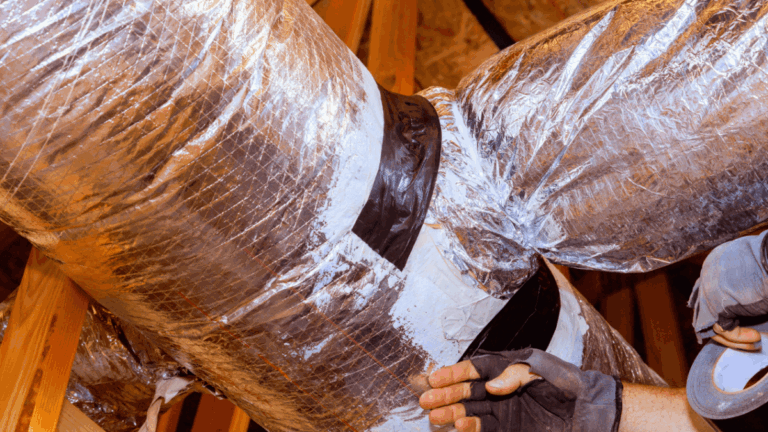
Have your ducts professionally inspected and cleaned every 3–5 years. In Raleigh’s humid climate, small gaps or leaks can develop where ducts connect, causing conditioned air to escape into attics or crawl spaces.
A professional technician can:
- Seal leaks with mastic sealant or foil tape
- Clean out dust and debris buildup
- Insulate ducts for better performance
4. Malfunctioning Blower Motor or Fan
The blower motor pushes air through your ducts. If it’s dirty, aging, or failing, airflow will drop drastically.
Symptoms:
- Weak airflow from all vents
- Grinding or screeching sounds
- Burning smell near the indoor unit
- System turns on but barely moves air
The fix:
Inspect your blower motor (or have an HVAC pro do it). Sometimes a cleaning or lubrication solves the issue; other times, the motor or fan may need replacement. Regular annual maintenance can prevent motor failure before it happens.
5. Low Refrigerant Levels
Low refrigerant can cause your evaporator coil to freeze, which restricts airflow. Even small leaks reduce the system’s ability to cool and dehumidify properly.
Symptoms:
- Air feels warm or humid
- Ice forming on refrigerant lines or coils
- Hissing or bubbling sounds
- Weak airflow
The fix:
Turn off your HVAC system immediately if you see ice buildup, and call our licensed Raleigh HVAC technicians. They’ll locate and repair the leak, then recharge your system with the correct refrigerant amount.
6. Dirty Evaporator or Condenser Coils
Coils in your indoor (evaporator) and outdoor (condenser) units can become coated with dirt and grime, restricting heat exchange and reducing efficiency.
Symptoms:
- Weak cooling performance
- Warm air from vents
- Unusually high energy bills
- System runs longer than normal
The fix:
Turn off your system and gently clean accessible coils with a soft brush or vacuum. For deeper cleaning, schedule professional maintenance for your home or business – technicians use specialized coil cleaners that restore efficiency safely.
7. Incorrectly Sized HVAC System
If your HVAC system is too small, it will struggle to circulate enough air. If it’s too large, it will short-cycle, turning off before fully circulating air throughout your home.
Symptoms:
- Frequent system cycling
- Inconsistent temperatures
- High humidity indoors
- Weak or uneven airflow
The fix:
A professional load calculation determines whether your current system is properly sized for your home’s square footage, insulation, and layout. If your system is mismatched, replacement might be the only long-term solution.
8. Faulty Thermostat or Control Settings
Sometimes, the culprit is as simple as incorrect settings or a failing thermostat that doesn’t communicate properly with your HVAC system.
Symptoms:
- Inconsistent temperatures
- System doesn’t respond to adjustments
- Weak airflow even when fan is set to “On”
The fix:
Check that your thermostat fan setting is on “Auto” (for normal operation) or “On” (for continuous air circulation). Replace old batteries, recalibrate if needed, or consider upgrading to a smart thermostat for more precise airflow control.
9. Poorly Designed Ductwork
In some older or remodeled buildings around Raleigh, ductwork may have been installed without proper design or balancing. Poorly designed systems – too many bends, long runs, or undersized ducts – lead to uneven airflow.
Symptoms:
- Hot and cold spots throughout the home
- Noise from vents or returns
- Persistent airflow imbalance
The fix:
A professional airflow test (also called a duct pressure test) can identify design flaws. Solutions might include resizing ducts, adding return vents, or installing zone dampers for better balance and comfort.
10. Neglected Routine Maintenance
Skipping annual maintenance is one of the fastest ways to develop airflow issues. Over time, dust buildup, loose components, and small leaks can snowball into major inefficiencies.
The fix:
Schedule biannual HVAC tune-ups – at least once in the spring for your cooling system and once in the fall for heating. A technician will inspect filters, fans, coils, ducts, and refrigerant levels, catching minor problems before they affect airflow or cause breakdowns.
Professional Help: When to Call a Raleigh HVAC Expert
Poor airflow in your HVAC system can be frustrating, but it’s rarely unsolvable. If you’re dealing with weak airflow in your Raleigh property, Carolina Commercial Systems is here to help. Our certified technicians specialize in diagnosing and fixing airflow issues across the Triangle area, including Raleigh, Cary, Apex, and Garner.
Contact us today to schedule an HVAC inspection or tune-up, and breathe easier knowing your system is running at peak performance.