Learn about the benefits of various commercial heating solutions
Ensuring the comfort and efficiency of your commercial heating system is crucial for the seamless operation of your business. After all, your heating system does far more than provide warmth. It affects employee productivity, customer satisfaction, energy consumption, and even your bottom line.
The right heating system not only contributes to a pleasant workplace environment but also optimizes energy use and reduces long-term operational costs. But with so many options available, how do you know which system best fits your building’s needs?
In this blog, we’ll explore the most common types of commercial heating systems. By weighing their benefits, limitations, and applications, you’ll be better prepared to make an informed decision about your business’s heating solution.
1. Forced Air Heating Systems
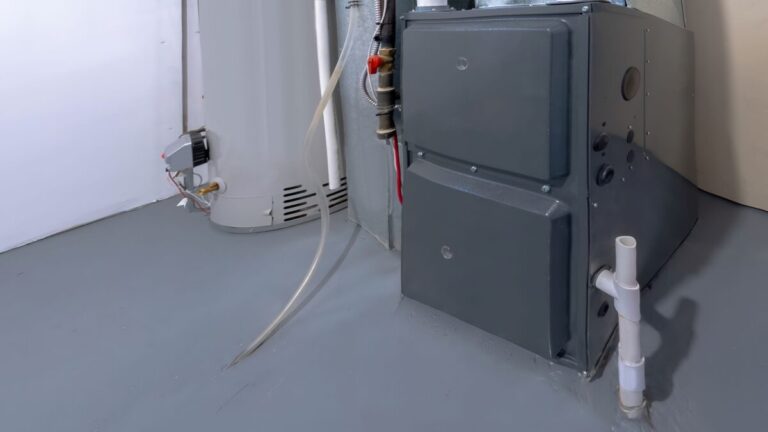
Forced air heating systems are among the most widely used solutions in both residential and commercial settings. At the core of the system is a furnace, which heats air and pushes it through ductwork to different areas of the building. The same duct system can also be used to deliver cooled air if the system is integrated with air conditioning.
Benefits include:
- Versatility: One system handles both heating and cooling
- Cost-effectiveness: Typically less expensive to install than boilers or radiant systems
- Quick response: Rooms heat up faster compared to radiant options
- Air quality control: Can integrate with filters, humidifiers, and dehumidifiers for better indoor air quality
Forced air systems do circulate air, which means dust, allergens, and particulates may spread if filters aren’t maintained. They also require space for ductwork, which can be challenging in older or smaller buildings.
2. Radiant Heating Systems
Radiant heating uses hot water tubing or electric heating elements embedded beneath floors (and in some cases, walls or ceilings) to provide warmth. Instead of heating the air, radiant systems warm surfaces, which then radiate heat evenly across the room.
Benefits include:
- Consistent comfort: Delivers even heating with no cold spots
- Energy efficiency: Requires less energy to maintain consistent warmth
- Quiet operation: No blowers or fans, making it virtually silent
- Healthier environment: Doesn’t stir up dust or allergens
Installation can be invasive and expensive, especially in retrofits, since tubing or heating elements must be placed beneath flooring. Thick carpeting or flooring materials with low heat conductivity can also reduce effectiveness.
3. Heat Pump Systems
Heat pumps are unique because they don’t create heat; they move it. In colder months, they extract heat from outdoor air (or the ground, in the case of geothermal models) and transfer it inside. During summer, the process reverses to provide cooling.
Benefits include:
- Energy efficiency: Transfers heat instead of burning fuel, which dramatically reduces energy costs
- Dual purpose: Provides both heating and cooling
- Eco-friendly: Lower carbon footprint compared to gas or oil systems
- Cost savings: Long-term operational savings often offset higher upfront costs
Heat pumps are most effective in moderate climates. In very cold regions, their efficiency drops, which may necessitate a backup heating source. Initial installation costs are higher than those for traditional systems.
4. Boiler Systems
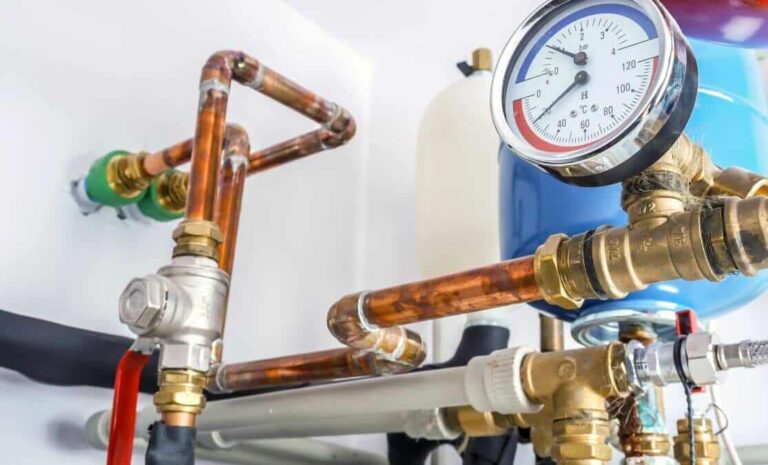
Boilers heat water and distribute it as hot water or steam through pipes to radiators, baseboard heaters, or radiant floor systems. They’ve been a trusted heating solution for decades, particularly in older buildings.
Benefits include:
- Reliability: Known for durability and long service life
- Consistent heat: Provides steady, even warmth without drafts
- Low maintenance: Fewer moving parts compared to forced air systems
- Quiet operation: Boilers heat silently without noisy fans
Boiler systems can be more complex and expensive to install in buildings without existing infrastructure. They also don’t provide cooling, so a separate system may be required for summer months.
5. Hybrid Heating Systems
Hybrid systems combine the energy efficiency of a heat pump with the reliability of a traditional furnace. The system automatically switches between the two depending on outdoor conditions. For example, the heat pump may handle heating during mild weather, but when temperatures drop below a certain threshold, the furnace takes over.
Benefits include:
- Energy optimization: Reduces utility bills by using the most efficient option at any given time
- Year-round comfort: Covers both heating and cooling needs
- Flexibility: Adapts to changing climates and extreme weather
- Cost savings: Maximizes efficiency without sacrificing performance
Initial installation costs can be higher than single-system solutions, and they require careful professional setup to ensure proper switching between modes.
Factors to Consider When Choosing a Commercial Heating System
Choosing the right system goes beyond simply picking one from the list above. Every building has unique needs based on its size, layout, and usage. Here are a few critical factors to evaluate:
- Building Size & Layout: Large open spaces may benefit from radiant systems, while compartmentalized offices may be better suited for forced air.
- Climate: Heat pumps excel in moderate climates, while boilers or hybrids may be more reliable in colder regions.
- Energy Costs: Consider long-term utility bills. Sometimes a higher upfront investment pays off in savings.
- Installation Complexity: Retrofitting older buildings can limit your options.
- Maintenance Requirements: Some systems require more regular upkeep (like filter changes in forced air systems).
- Budget: Balancing upfront costs with long-term operational expenses is key.
Learn more about factors to consider when selecting a commercial HVAC system on our blog.
Final Thoughts
Commercial heating is not one-size-fits-all. The right choice depends on your building’s unique characteristics, local climate, and budgetary considerations.
Remember, regular maintenance and timely upgrades are crucial to keeping your commercial heating system running efficiently, ensuring your business remains warm and comfortable during cold months. For any assistance, feel free to contact us, and our team will help address your heating needs with expert guidance and solutions.
Learn about common heating problems in commercial systems and how to prevent them on our blog.