VRF and VRV Systems: Advanced Multi-Zone HVAC for Raleigh Commercial Buildings

VRF and VRV Systems Service in Raleigh

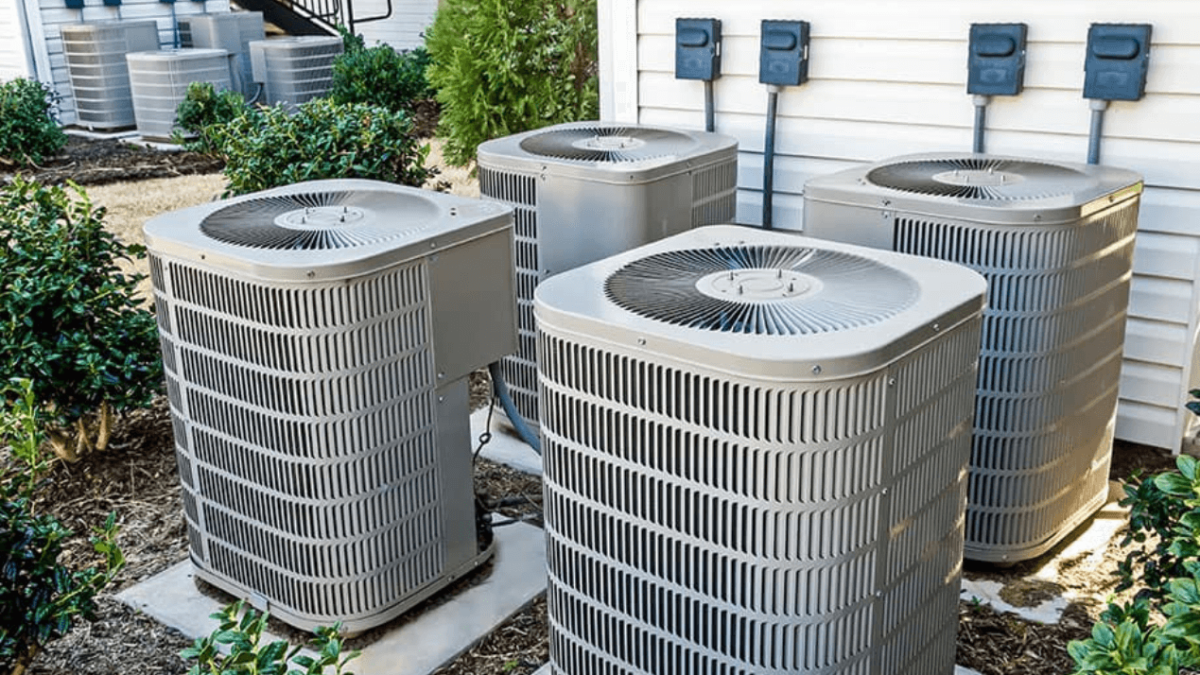
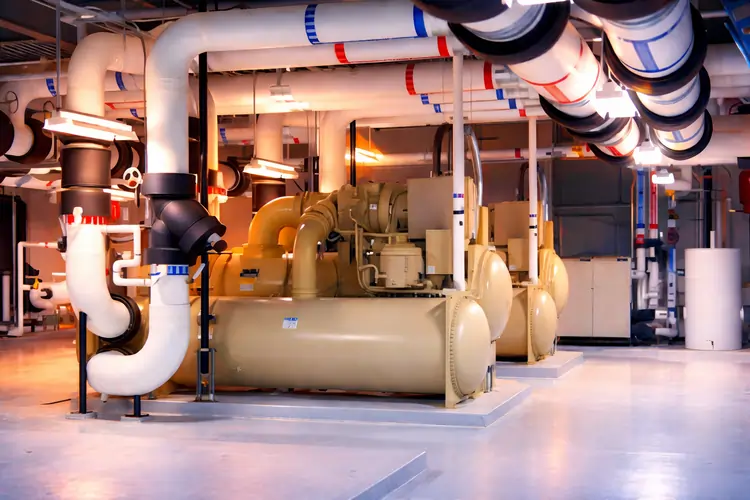
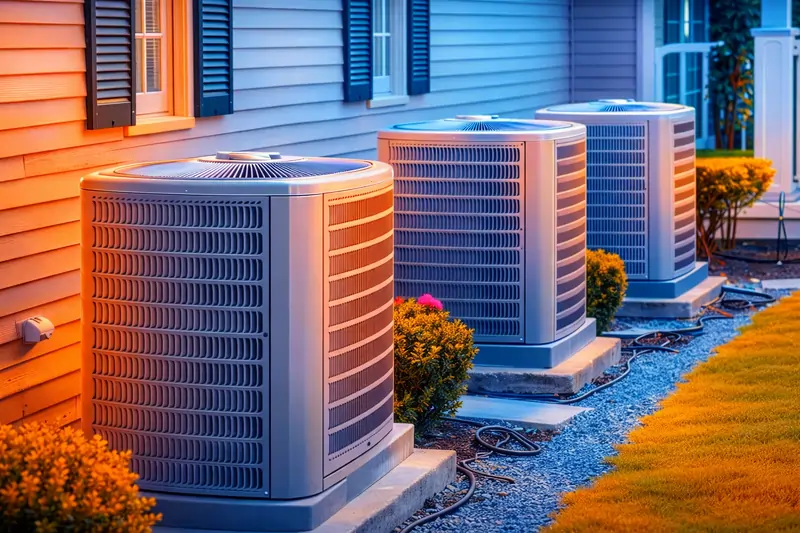
When a commercial space needs precise, individual temperature control across multiple zones without the footprint of a traditional ducted system, VRF and VRV technology is the way to go. Variable refrigerant flow (VRF) and variable refrigerant volume (VRV) systems use one or more outdoor units connected to multiple indoor air handlers, adjusting refrigerant flow dynamically to match each zone’s demand in real time. The result is a highly efficient, flexible system capable of simultaneously heating one zone and cooling another, a capability that standard HVAC systems can’t match. Carolina Commercial Systems installs and services VRF/VRV systems across Raleigh, Durham, Cary, and the broader Triangle, bringing over 43 years of commercial HVAC expertise to one of the most technically demanding product categories in the industry. Contact us today for specialized unit service.

What to Expect: Our VRF/VRV Service Process

VRF and VRV are not the right solution for every commercial building—but in the right applications they outperform most alternatives on efficiency, comfort, and long-term flexibility. Common commercial use cases include:

  • Multi-tenant office buildings where each suite needs independent temperature control
  • Hotels and hospitality facilities with varying occupancy patterns by room
  • Medical and dental offices requiring quiet, precise conditioning in patient areas
  • Retrofit projects in existing buildings where running new ductwork is impractical
  • Mixed-use buildings with diverse occupancy types on different floors
  • Buildings with significant internal load variation between perimeter and core zones

The ability to recover heat from zones being cooled and redirect it to zones that need heating, a feature of heat recovery VRF systems, makes these systems particularly efficient in climates like Raleigh’s where both heating and cooling loads coexist during shoulder seasons. Our team handles both ductless system installation and full commercial-scale VRF/VRV projects. Contact us today to learn more.

Is VRF Right for Raleigh’s Climate?

Raleigh’s climate, with hot humid summers and variable heating loads in winter, suits VRF technology particularly well. Inverter-driven variable-speed compressors modulate continuously rather than cycling on and off, which reduces energy consumption and wear compared to fixed-speed systems. The U.S. Department of Energy notes that ductless and variable-flow systems like these can be significantly more efficient than conventional systems, particularly in buildings where zoning requirements would otherwise require multiple conventional systems. Carolina Commercial Systems can model the efficiency case for your specific building as part of a project consultation, giving you data to support the capital investment decision alongside our commercial applied services team. Contact us today to laern more.

VRF and VRV Challenges Raleigh Building Owners Encounter

VRF systems are sophisticated, and their complexity introduces failure modes that differ from conventional HVAC. These are the three we encounter most often on commercial VRF service calls.

VRF systems are precisely charged at installation. If refrigerant is lost through a leak, the effect can be subtle at first, with some zones losing capacity while others appear normal, making the root cause difficult to identify without proper diagnostics. Carolina Commerical Systems technicians carry the manufacturer-specific diagnostic equipment needed to evaluate VRF refrigerant circuits, locate leaks in complex piping networks, and recharge to the precise quantities these systems require. EPA Section 608 compliant handling of the refrigerants used in commercial VRF systems is standard practice for our team.

VRF systems rely on a communication network between the outdoor unit, branch circuit controllers, and indoor units. Communication faults, often triggered by wiring issues, power events, or firmware mismatches, can take zones offline or cause erratic behavior that is easy to misdiagnose as a refrigerant or mechanical problem. Proper VRF service requires understanding the controls architecture of the specific system, not just the mechanical side. Our team works with the diagnostic software tools that manufacturers provide for these systems, giving us access to fault histories and real-time system data that generic HVAC service tools cannot provide.

Some VRF installation problems do not manifest immediately. Incorrect branch kit configurations, refrigerant piping that exceeds allowable equivalent length, or indoor units installed outside their specified orientation can create performance degradation that builds gradually. If you took over a building with an existing VRF system and it has never performed as expected, or if a recently installed system is not hitting its efficiency projections, a VRF system audit can identify whether installation errors are at the root of the problem. CCS can assess existing ductless and VRF installations and recommend corrective action when the original installation did not meet design intent.

Regularly Scheduled Commercial HVAC Maintenance

Keep your commercial HVAC systems running efficiently year-round with scheduled maintenance tailored to your facility. Reduce downtime, control energy costs, and extend equipment life.

Areas We Service

  • Raleigh
  • Apex
  • Cary
  • Durham
  • Greenville
  • Holly Springs
  • Morrisville
  • Garner
  • Rolesville
  • Wake & surrounding counties
  • Clayton

Areas We Service

  • Raleigh
  • Apex
  • Cary
  • Durham
  • Greenville
  • Holly Springs
  • Morrisville
  • Garner
  • Rolesville
  • Wake & surrounding counties
  • Clayton

Carolina Commercial Systems: Your VRF and VRV Installation and Service Experts in Raleigh
What is the difference between VRF and VRV systems?

VRF (variable refrigerant flow) and VRV (variable refrigerant volume) describe the same technology. Daikin, which invented the technology in 1982, trademarked the VRV name. Other manufacturers including Mitsubishi, LG, and Carrier use the VRF designation for their equivalent systems. The underlying approach is identical, and our team works across major brands.

Are VRF systems more efficient than traditional commercial HVAC?

In the right applications, yes. Inverter-driven variable-speed compressors modulate continuously rather than cycling on and off, which reduces energy consumption and wear compared to fixed-speed systems. Heat recovery VRF configurations can also redirect heat from zones being cooled to zones that need heating, an efficiency advantage that conventional systems cannot match.

Can VRF be installed in an existing building without major renovation?

That is one of VRF’s practical advantages. Because refrigerant piping is significantly smaller than ductwork, it can often be routed through existing chases and ceiling cavities where running new duct would be impractical or cost-prohibitive. Our team regularly handles VRF retrofits in occupied commercial buildings across the Triangle.

Does CCS handle VRF commissioning and ongoing service?

Yes. We approach every VRF project with a design-first methodology and stay involved through commissioning and long-term service. Our ductless and VRF maintenance programs are built around the specific controls and diagnostic requirements of these systems. Call (919) 679-7190 to discuss a service plan.

A VRF or VRV project isn’t a plug-and-play installation. Refrigerant piping design requires precise calculation of pipe lengths, elevation changes, and branch kit placement to ensure the system operates within manufacturer specifications. Deviations from design intent during installation can affect system performance for the life of the equipment. Carolina Commercial Systems approaches every VRF project with a design-first methodology, coordinating refrigerant pipe routing, indoor unit placement, and controls integration before the first piece of pipe is cut. Our ductless and VRF maintenance programs extend that care into the system’s operating life.

VRF and VRV systems are generally reliable when properly installed, but they can develop problems that require specialized diagnostics. Watch for: individual indoor units not reaching setpoint, error codes appearing on indoor or outdoor unit displays, refrigerant odors, or a system that is running but not effectively recovering heat between zones. These are not issues that a general HVAC technician unfamiliar with VRF controls logic should attempt to diagnose. Carolina Commercial Systems technicians work with manufacturer diagnostic tools and have the commercial VRF service background to resolve problems correctly the first time. Contact us today to learn more about our VRF service process.

Carolina Commercial Systems works with building owners, architects, and general contractors evaluating VRF and VRV for new construction and retrofit projects across the Triangle. If you are managing an existing VRF system that needs service or recalibration, we can assess it and get it back to full performance. Call (919) 679-7190 to start the conversation, or explore our full range of commercial applied HVAC services for complex building systems.

Subservices

  • Commercial Furnace Maintenance

  • Commercial Dehumidfier

  • Commercial AC Maintenance

  • Commercial Heat Pump Repair

Get In Touch