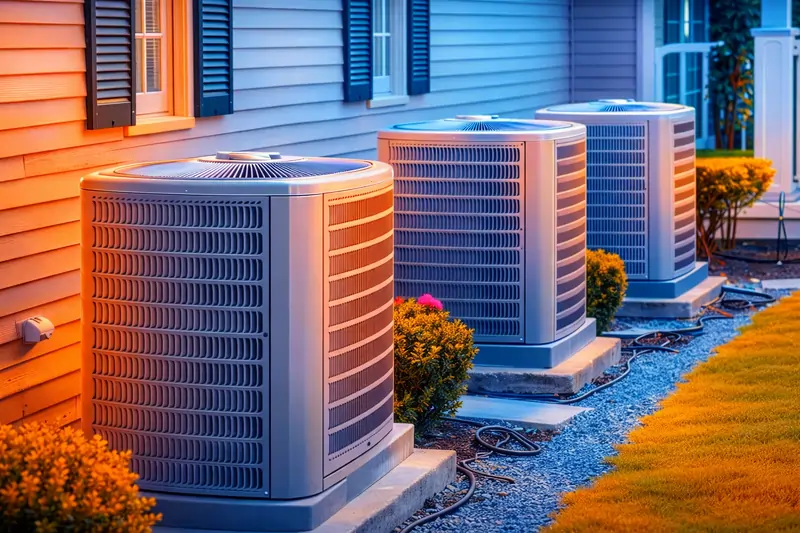
Commercial HVAC Installation in Cary, NC

Considering HVAC Installation vs. Replacement? You’re In the Right Place

Decades of Cary summers put more hours on a commercial cooling system than the equipment schedule ever assumed. Compressors cycle through humid Julys, coils foul, and the building slowly stops holding setpoint in the afternoon even though nothing has technically failed. Considering HVAC repair vs. replacement? We’ll help you make the right choice. Instead of just replacing old units with the exact same size, Carolina Commercial Systems starts with a full load calculation. This ensures your system is properly sized for your building’s current needs, not how it operated years ago. Call (919) 679-7190 to determine your next right step.

What Does a Commercial HVAC Installation Service Involve?

  • Load calculation and site survey. We measure the building as it is used today, not as it was drawn, including envelope, occupancy, and internal gains.
  • Submittals before procurement. Cut sheets, scope of work, and a schedule go to you in writing, and nothing is ordered until they come back approved.
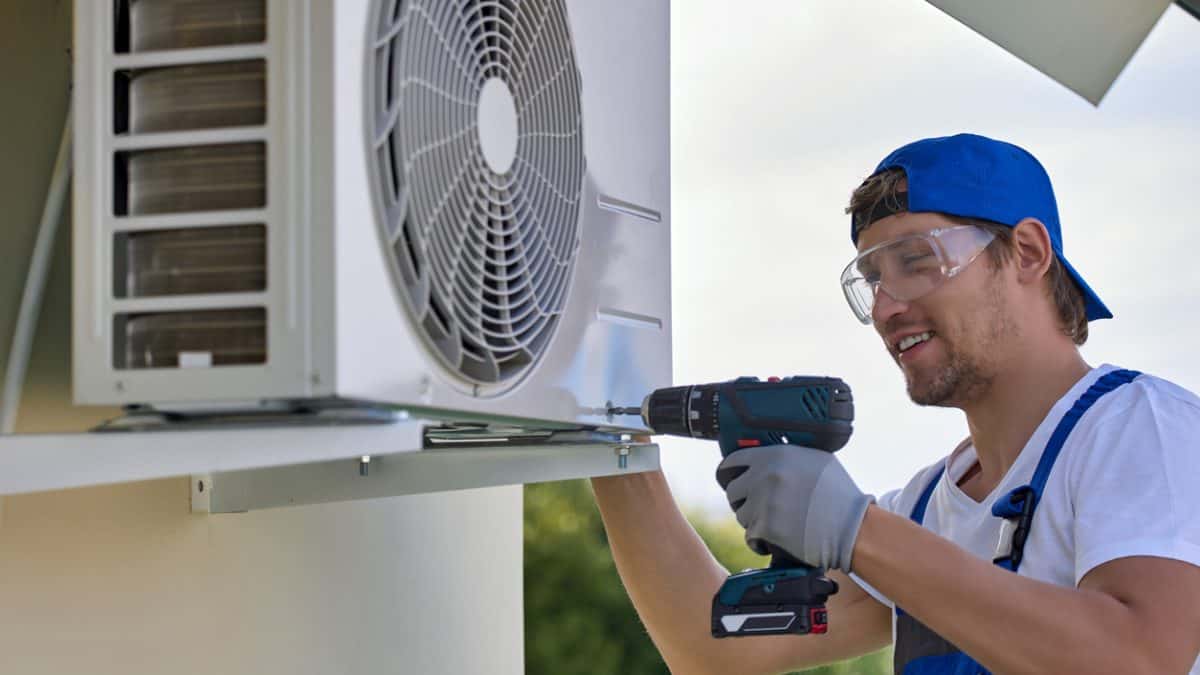
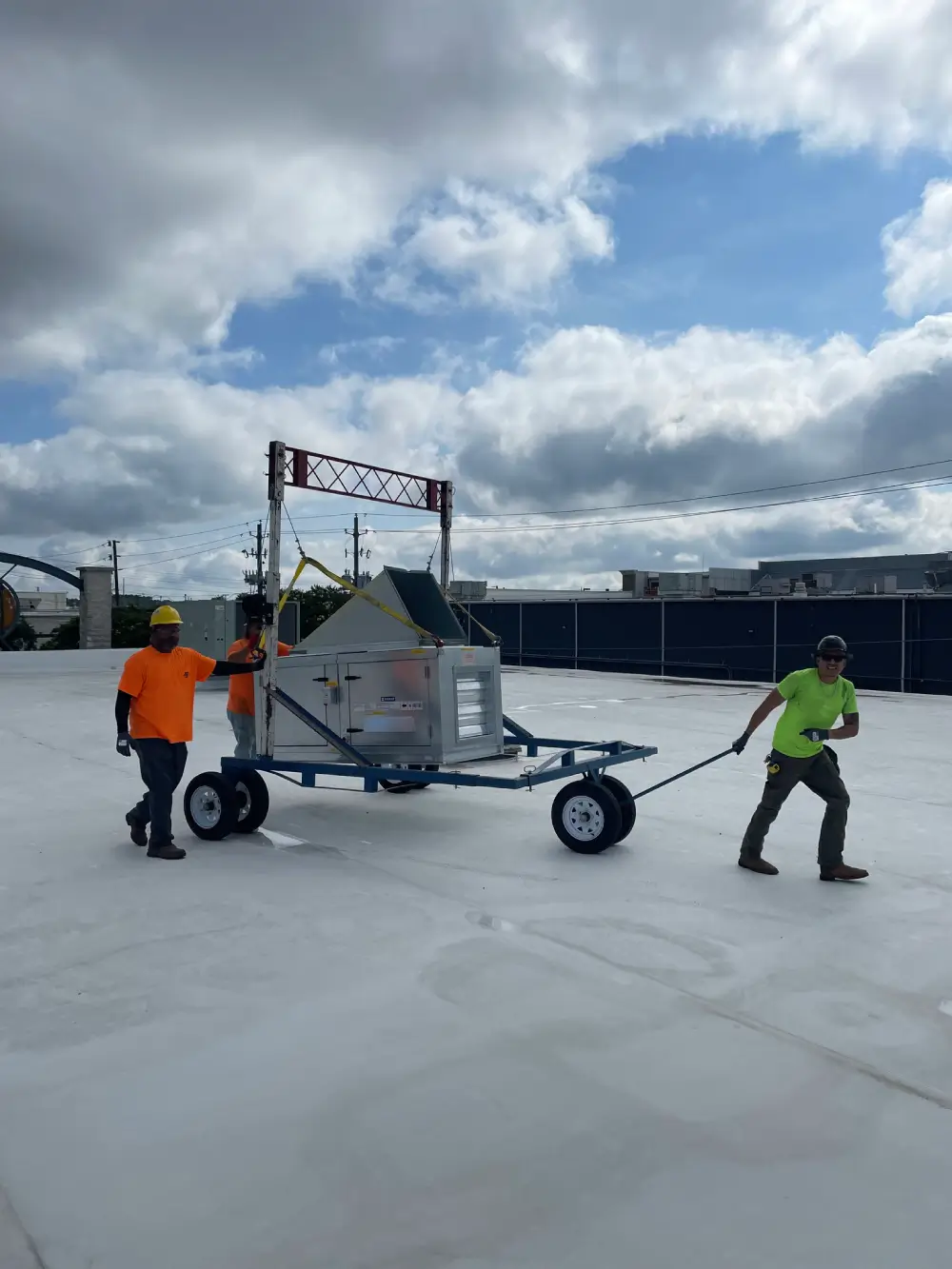
  • Rigging and set. We handle curb adapters, roof penetrations, and the crane pick, and we coordinate the lift with building management and your tenants.
  • Startup under load. Refrigerant is charged to factory specification, airflow is balanced zone by zone, and every operating mode is run and recorded.
  • Closeout package. Commissioning data, balancing report, warranty registration, and the written sequence of operations are handed over before we leave the site.

What HVAC Efficiency Ratings Mean for a Cary Building

Efficiency ratings describe equipment on a test stand. What your building actually gets depends on whether the system was sized to the load, charged correctly, and balanced across the zones it serves. For example: Equipment carrying ENERGY STAR certification for light commercial HVAC runs roughly 17 percent more efficient than standard equipment, and that margin only reaches the space in a building where the installation matched the specification. We commission every system under load and record what it delivers, then hold it there with planned HVAC maintenance.

Common HVAC Installation Problems We Solve

When a new commercial HVAC system underperforms, the reason is rarely the new equipment, it’s the constraints that were already there. These are the pre-existing conditions we check before installation so your new system actually performs like one.

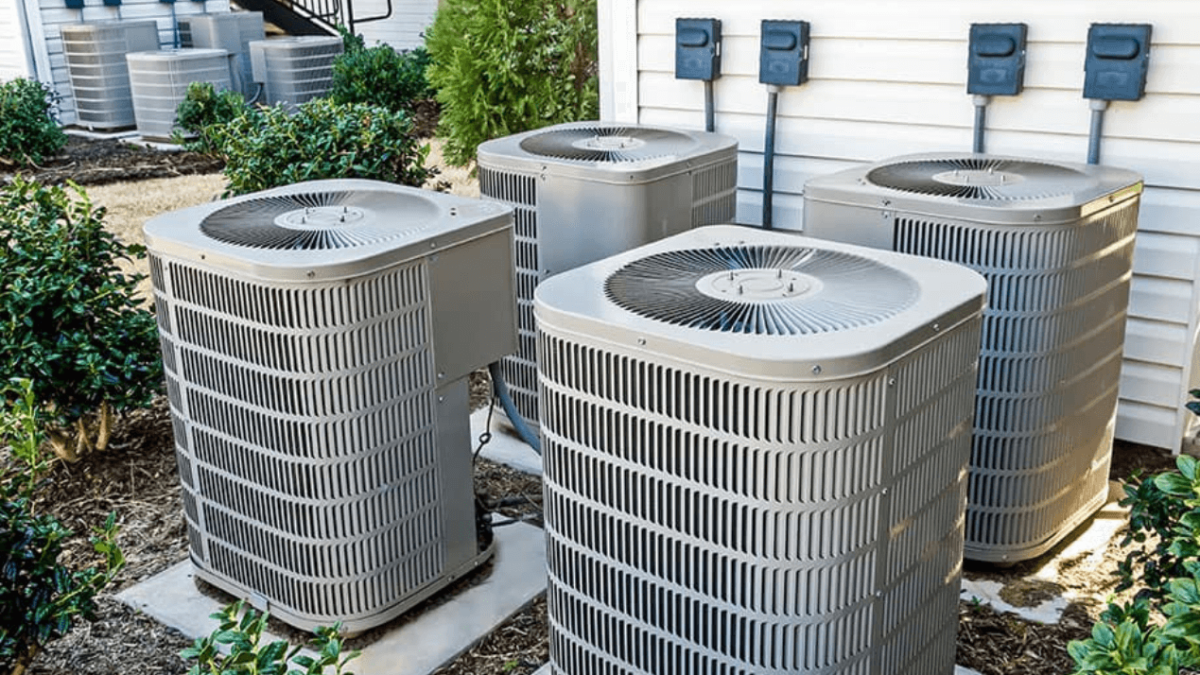
Matching the outgoing tonnage is the fastest way to inherit someone else’s mistake. Sizing starts from the load the building carries today, which is what keeps a system out of the short cycling that wrecks humidity control.

Capacity printed on a data plate only reaches the space if the air and refrigerant paths cooperate. We correct duct restrictions, balance each zone, and charge to factory specification, then measure the result rather than assuming it.

Equipment handed over on default settings runs on somebody’s guess about your building. We write the sequence of operations, configure the controls to match it, and verify every mode before the mechanical scope is closed out.

Regularly Scheduled Commercial HVAC Maintenance

Keep your commercial HVAC systems running efficiently year-round with scheduled maintenance tailored to your facility. Reduce downtime, control energy costs, and extend equipment life.

Areas We Service

  • Raleigh
  • Apex
  • Cary
  • Durham
  • Greenville
  • Holly Springs
  • Morrisville
  • Garner
  • Rolesville
  • Wake & surrounding counties
  • Clayton

Areas We Service

  • Raleigh
  • Apex
  • Cary
  • Durham
  • Greenville
  • Holly Springs
  • Morrisville
  • Garner
  • Rolesville
  • Wake & surrounding counties
  • Clayton

Carolina Commercial Systems: Your Commercial HVAC Installation Experts in Cary
How do you size a commercial HVAC system for our building? With a load calculation that accounts for envelope, glazing, occupancy, internal gains, and how the space is actually used. Rules of thumb and the outgoing nameplate are how an oversized system gets installed twice in a row.

Can we stay open while the system is replaced? In most cases, yes. We stage equipment ahead of the cutover, phase the work zone by zone, and put the disruptive hours where your operation can absorb them.

Do you work as a subcontractor on a general contractor’s schedule? Regularly. Our team runs the mechanical scope on commercial construction and tenant improvement projects, tracks submittals and RFIs, and closes out without punch list items trailing behind.

Will the new equipment tie into our existing building automation system? Yes, where the platform allows it. We integrate to the existing controls, write the sequence of operations, and verify each point before handover.

What happens if the equipment has a long lead time? We flag long-lead items at proposal, not at install. Where the schedule cannot absorb the wait, we specify an alternate that meets the same performance or plan temporary conditioning.

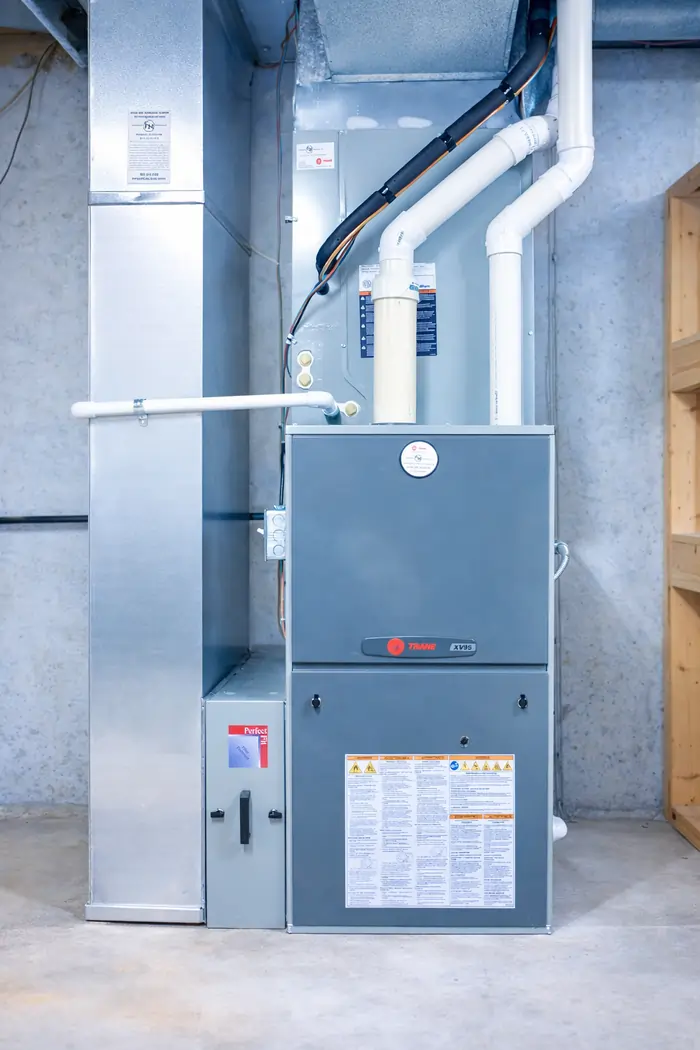
A mechanical scope rarely stops at one system. The same crews that set rooftop units and split systems also handle heating installation when the heating side is the weaker half of the building, and heat pump installation when one system can carry both loads. This keeps your process as simple and as streamlined as possible. Where ventilation and filtration are the real complaint, our commercial air quality work addresses it directly.

Skipping critical prep work before installing new equipment often leads to unexpected expenses and unresolved comfort issues. Before committing to a replacement, ensure you have answers to these five essential questions:

  • Actual unit age and run hours: This prevents premature replacements or sudden catastrophic failures.
  • Roof capacity and curb fit: This avoids mid-project crane delays and expensive adapter curb fabrication.
  • Zoning and problem areas: This ensures new equipment actually fixes historical comfort complaints instead of repeating them.
  • BAS compatibility: This prevents costly gateway upgrades and keeps you from losing remote control of your system.
  • Tenant downtime limits: This protects critical spaces like server rooms from expensive operational disruptions.

Missing any of these details? We’ll verify them on-site so your project stays on schedule and budget. Call us at (919) 679-7190

When you work with Carolina Commercial Systems, design-build engineering and field service sit under one roof, so the team that specified your system is the team that maintains it. Our technicians are licensed and bonded, with more than 15 years of commercial work in the Triangle behind them. For a load assessment and a written design proposal, call (919) 679-7190.

Subservices

  • Commercial Heating Maintenance

  • Commercial HVAC Maintenance

  • Commercial Heating Maintenance

  • Commercial Heat Pump Maintenance

Get In Touch