Your Spring HVAC Tune-Up Guide
February 12, 2026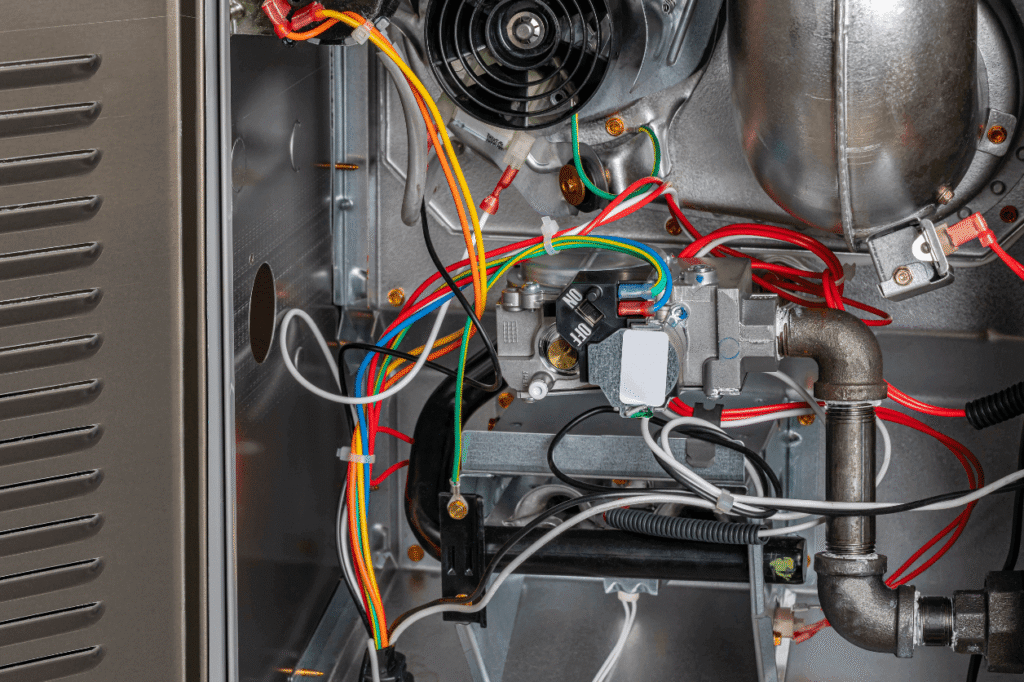
Understanding how your heating system works
As a residential and commercial HVAC contractor serving Raleigh and the surrounding Triangle, we spend a lot of time educating homeowners, property managers, and business owners about how their heating systems actually work. When something goes wrong on a cold January morning, understanding the basics can help you make informed decisions, spot warning signs early, and communicate more effectively with your HVAC technician.
In this guide, we’ll walk you through the major components of a typical heating system, explain what each part does, and highlight common issues we see in both residential and commercial settings.
The Thermostat: Your System’s Control Center
The thermostat is the most visible and user-facing component of your heating system. While it may look simple, it plays a critical role in overall comfort and efficiency, as it measures the temperature inside your home or building and signals the heating system to turn on or off based on your settings. Modern thermostats can do much more than that, including:
- Programming temperature schedules
- Adjusting for humidity
- Learning your usage patterns
- Connecting to Wi-Fi for remote control
In Raleigh-area homes, we often find:
- Outdated thermostats that don’t communicate well with newer heat pumps
- Poor thermostat placement near windows, doors, or kitchens
- Incorrect wiring after DIY upgrades
Even a perfectly functioning heating system can perform poorly if the thermostat isn’t properly configured or installed.
The Furnace or Heat Pump: The Heart of the System
The primary heating appliance is the core of your system. In our region, this is most commonly a heat pump or a gas furnace.
Gas Furnaces
Gas furnaces are popular in areas with access to natural gas. They generate heat by burning fuel and transferring that heat to the air. Key components inside a gas furnace include:
- Burners
- Heat exchanger
- Ignition system
- Blower motor
Heat Pumps
Heat pumps are extremely common due to our moderate winter temperatures. Instead of generating heat, they transfer heat from outside air into your home. Benefits of heat pumps include:
- High efficiency
- Heating and cooling in one system
- Lower operating costs in mild climates
Choosing the right system and maintaining it properly is essential for reliable performance.
The Heat Exchanger: Safe Heat Transfer
The heat exchanger transfers heat from the combustion process into the air that circulates through your home or building. Importantly, it keeps combustion gases separate from breathable indoor air.
A damaged or cracked heat exchanger can allow carbon monoxide and other dangerous gases to mix with indoor air. This is a serious safety concern and one of the main reasons we recommend annual heating inspections.
Warning Signs
- Unusual smells
- Soot buildup
- Changes in flame appearance
- Carbon monoxide detector alerts
In commercial systems, heat exchanger issues can lead to system shutdowns that disrupt operations.
The Blower Motor and Fan Assembly
Once heat is generated, it has to be distributed. That’s where the blower motor comes in. The blower motor pushes heated air through the ductwork and into living or working spaces. It also circulates air back through the system for reheating.
Common Problems
- Dirty or failing bearings
- Electrical issues
- Reduced airflow from clogged filters
A struggling blower motor can lead to uneven heating, higher energy bills, and unnecessary wear on other components.
Ductwork: The Distribution Network
Ductwork is often overlooked, but it plays a massive role in heating performance. Ducts deliver heated air from the furnace or air handler to different areas of your home or building. They also return cooler air back to the system.
In both residential and commercial properties around Raleigh, we frequently encounter:
- Leaky duct connections
- Poorly insulated ducts in attics or crawl spaces
- Undersized or improperly designed duct systems
Even the most efficient heating unit can waste energy if ductwork is leaking or poorly laid out.
Air Filters: Small Part, Big Impact
Air filters may be inexpensive and easy to replace, but they have a huge impact on system performance and indoor air quality. They trap dust, pollen, pet dander, and other airborne particles before they enter the heating system.
We recommend checking filters monthly during the heating season and replacing them as needed, especially in homes with pets or high occupancy.
The Ignition System (for Furnaces)
Modern furnaces no longer use standing pilot lights. Instead, they rely on electronic ignition systems.
Ignition failures are one of the most common reasons a furnace won’t start. Components can wear out over time or fail due to electrical issues. Regular maintenance helps identify ignition problems before they leave you without heat.
Safety Controls and Sensors
Heating systems include multiple safety features designed to protect occupants and equipment. Common components:
- Flame sensors
- Limit switches
- Pressure switches
- Rollout switches
These sensors monitor temperature, airflow, and combustion conditions. If something goes wrong, they shut the system down to prevent damage or danger.
While nuisance shutdowns can be frustrating, these controls are essential for safe operation.
Backup and Auxiliary Heat (Heat Pump Systems)
Because heat pumps lose efficiency in very cold weather, many systems in Raleigh include auxiliary or emergency heat. Backup heat typically uses electric resistance heating or a gas furnace to supplement the heat pump when outdoor temperatures drop too low.
Common Issues
- Excessive use of auxiliary heat driving up energy bills
- Incorrect thermostat settings
- Malfunctioning heat strips
Understanding when and how your backup heat operates can help you manage energy costs more effectively.
Venting and Exhaust Systems
For combustion-based systems, proper venting is critical. Venting systems safely remove combustion gases from your home or building and bring in fresh air as needed.
Problems We See
- Blocked or damaged flue pipes
- Improper vent sizing
- Corrosion or disconnections
These issues can affect efficiency and safety and should always be addressed by a licensed HVAC professional.
Why Professional Maintenance Matters
Each of these components works together as part of a complete system. When one part fails or underperforms, it often affects the others. Professional inspections help:
- Extend equipment lifespan
- Improve energy efficiency
- Prevent unexpected breakdowns
- Ensure safe operation
Take Care of Your Heating System Components for Maximum Efficiency and Comfort
While you don’t need to be an HVAC expert, knowing the basics can help you recognize issues early and make smarter decisions about repairs, upgrades, and maintenance.
If you’re unsure about the condition of your heating system, experiencing uneven comfort, or planning a system upgrade, working with a trusted local HVAC contractor makes all the difference. Contact us to learn more about our services and schedule your next maintenance appointment today.