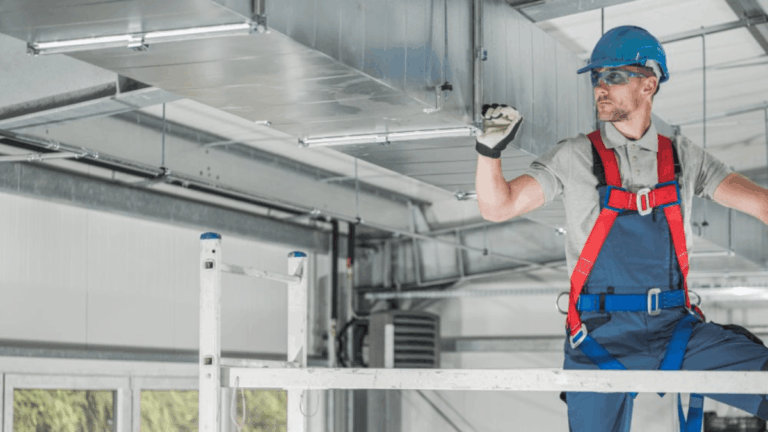
Learn about ductwork insulation
In the world of commercial HVAC, the comfort and energy efficiency of a building are of paramount importance. Heating, ventilation, and air conditioning systems serve as the backbone of indoor climate control, but the effectiveness of these systems depends heavily on the unseen infrastructure that carries conditioned air throughout a building: the ductwork. One of the most overlooked yet essential aspects of ductwork performance is insulation.
At Carolina Commercial Systems, we specialize in HVAC solutions as the trusted commercial HVAC contractor across Raleigh, North Carolina, and surrounding areas. Our goal is to ensure that your HVAC system operates at peak efficiency while keeping your employees, tenants, or customers comfortable. In this article, we’ll explore why ductwork insulation is so vital, how it enhances efficiency and comfort, and why partnering with a local expert can make all the difference.
What is Ductwork Insulation?
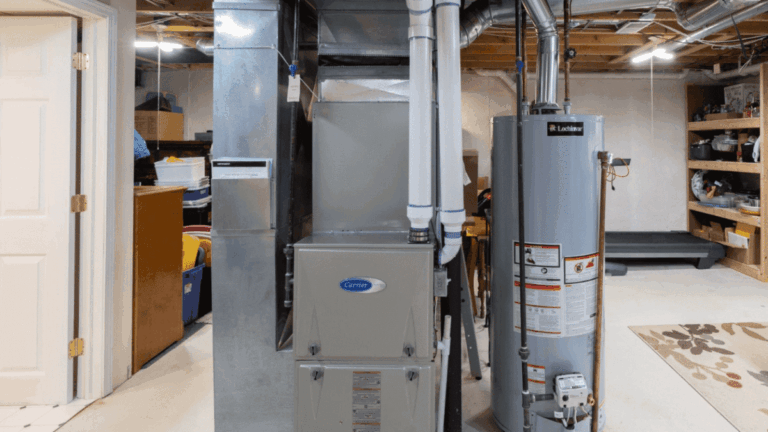
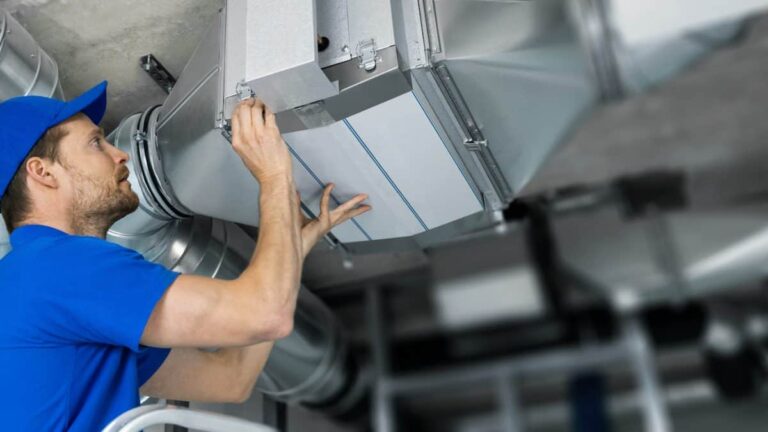
Ductwork insulation involves applying a layer of thermal protection to the ducts that distribute heated or cooled air throughout a commercial property. These ducts are often routed through unconditioned spaces such as attics, crawlspaces, basements, or utility areas where temperatures can fluctuate drastically. Without insulation, conditioned air can lose its temperature before it ever reaches its destination, forcing HVAC systems to work harder than necessary.
By wrapping ductwork in specialized insulating materials, businesses can minimize these losses, reduce energy consumption, and maintain consistent comfort levels across the building. Insulation also provides secondary benefits, such as controlling condensation, reducing noise, and even extending the lifespan of HVAC equipment.
The Importance of Ductwork Insulation
This insulation offers a multitude of benefits, making it an essential component of any HVAC system.
- Boosting Energy Efficiency: Insulated ductwork helps prevent heat loss or gain along the distribution system. In cold winters, it keeps the warm air from escaping, while in hot summers, it prevents exterior heat from infiltrating. This means that your HVAC system doesn’t have to work as hard to maintain the desired temperature, resulting in reduced energy consumption and lower utility bills.
- Improving Air Quality: Insulation not only regulates temperature but also helps in reducing condensation and moisture build-up within the ducts. This, in turn, prevents mold and mildew growth, ultimately improving indoor air quality. Clean, healthy air is vital for the well-being of your occupants and employees.
- Consistent Comfort: Properly insulated ducts ensure that the air being delivered to different parts of your building remains at a consistent temperature. This consistency enhances comfort levels and eliminates hot or cold spots that can occur with uninsulated ducts.
- Reducing Noise Pollution: Insulated ducts also act as sound barriers, reducing noise from your HVAC system. This is especially important in commercial settings, where a quiet, comfortable environment can contribute to a more productive and pleasant workspace.
- Extending Equipment Longevity: Less stress on your HVAC system means longer equipment life. When your HVAC equipment doesn’t have to work as hard, it is less likely to break down or require frequent maintenance, saving you money in the long run.
Common Types of Duct Insulation Materials
Commercial HVAC contractors use a variety of insulation materials, each with its strengths and applications:
- Fiberglass Insulation: Widely used due to its affordability and effective thermal resistance. Available in blankets, boards, or rigid forms.
- Foam Board Insulation: Provides high thermal resistance and a durable exterior surface. Ideal for ducts exposed to extreme conditions.
- Reflective Foil Insulation: Designed to reflect radiant heat, this option is particularly effective in hot climates.
- Spray Foam Insulation: Applied directly onto duct surfaces, sealing cracks and gaps while providing a strong insulating barrier.
The right choice depends on building design, climate conditions, budget, and long-term performance goals. Choosing the right insulation is only one part of the equation. The ductwork material itself also plays a critical role in system performance, durability, and efficiency.
Why Choose Us for Ductwork Insulation in Raleigh, NC?
When it comes to ductwork insulation in Raleigh, NC, businesses should partner with an HVAC contractor that combines technical expertise with local knowledge. Here’s why Carolina Commercial Systems stands out:
- Local Expertise: With a deep understanding of Raleigh’s climate, we can recommend the best insulation materials and techniques to suit your specific needs.
- Quality Workmanship: Our team of highly skilled technicians ensures that the insulation is installed with precision, leaving no room for leaks or gaps that can compromise the system’s efficiency.
- Energy Efficiency: We are committed to helping you reduce your energy costs and environmental impact. Ductwork insulation is just one of the many energy-efficient solutions we offer.
- Comprehensive Solutions: We provide end-to-end HVAC services, making us a one-stop shop for all your commercial HVAC needs.
Choosing a trusted local contractor like Carolina Commercial Systems ensures that your ductwork is properly insulated, your building remains comfortable year-round, and your energy bills stay manageable.
If you’re ready to experience the benefits of ductwork insulation for your commercial property, contact our expert team today. We’re here to enhance your building’s efficiency, extend your HVAC system’s lifespan, and provide a healthier, more comfortable environment for everyone inside.
Did you know that ductless HVAC systems are also available? Learn more about them on our blog!