What Your HVAC Odor Is Trying to Tell You
January 8, 2026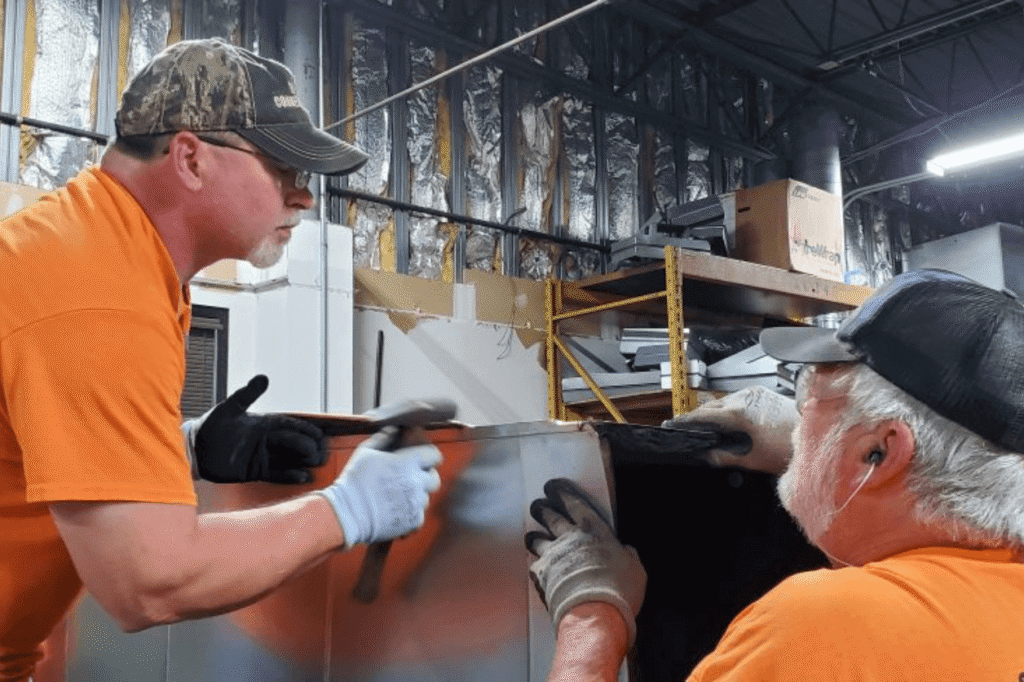
How smart duct material choices improve comfort and efficiency
Behind the scenes lies one of the most critical and most overlooked components of your HVAC system: the ductwork. The material your duct system is made from has a major impact on comfort, air quality, system efficiency, long-term maintenance costs, and even energy bills. Selecting the right duct material is an investment in the longevity and performance of your building.
In this blog, we’ll break down how ductwork material selection works and the pros and cons of the most common duct types.
Why Ductwork Material Matters
Your HVAC system’s performance depends on the smooth movement of conditioned air. The material used for ductwork affects:
- Airflow Efficiency: Different materials vary in rigidity, smoothness, and susceptibility to leaks. Even small inefficiencies can translate into significant energy losses, especially in a commercial environment where systems run for long hours.
- Indoor Air Quality (IAQ): Raleigh’s humidity encourages organic growth when ducts are poorly insulated or improperly sealed. Some materials resist moisture better than others, helping maintain cleaner indoor air.
- Durability & Lifespan: Quality duct materials can last decades, but others may degrade, tear, collapse, or corrode under certain conditions.
- Installation Flexibility & Cost: Material selection also impacts installation difficulty, labor requirements, accessibility in tight spaces, and upfront costs.
- Compatibility With NC’s Climate: Hot summers, pollen-heavy springs, and cold winter nights place unique demands on duct systems. Material choice must align with how your system will respond to temperature swings and moisture levels.
Galvanized Steel Ductwork
One of the most durable and widely used materials, especially in commercial projects and higher-end residential systems. Galvanized steel is coated with a protective zinc layer that resists rust and corrosion. It’s fabricated into rigid rectangular or round ducts.
Advantages
- Can last 30–50 years with proper maintenance
- Low air resistance, allowing for excellent airflow
- Fire-resistant
- Easier to clean during duct cleaning services
Drawbacks
- Higher cost compared to flexible ducting
- Labor-intensive installation
- Prone to condensation if insulation is inadequate
Best For
- Restaurants, office buildings, retail spaces
- Residential homes wanting long-term performance
- Systems requiring tight airflow control
Aluminum Ductwork
Similar to galvanized steel, but lighter and more corrosion-resistant.
Advantages
- Lightweight for easier installation
- Naturally corrosion-resistant
- Good airflow performance
Drawbacks
- Less durable than steel and more prone to dents
- Higher material cost compared to galvanized steel
- Can experience thermal expansion noise in temperature swings
Best For
- Special applications requiring corrosion resistance
- Certain commercial kitchens or lab environments
Though less common than steel in Raleigh installations, it remains an excellent option for specialized needs.
Flexible (Flex) Ducting
Flexible ducts – usually made of a wire coil sheathed in plastic and insulation – are extremely common in residential HVAC installations.
Advantages
- Affordable and cost-effective
- Highly flexible for routing through tight attic or crawlspace areas
- Quick installation lowers overall project cost
- Good insulative properties when installed properly
Drawbacks
- Airflow efficiency drops when ducts sag or compress, which is unfortunately common
- More susceptible to tears, rodent damage, and degradation
- Shorter lifespan (10–20 years on average)
- Requires attention to support spacing, sealing, and routing to prevent airflow losses
Best For
- Residential new construction
- Attics and crawlspaces where rigid material would be difficult to install
Flex ducting is not typically recommended for large commercial properties but can be used strategically.
Fiberglass Duct Board
A popular alternative in both commercial and residential settings. Rigid panels made of compressed fiberglass, fabricated into box-shaped ducts.
Advantages
- Excellent built-in insulation reduces noise and temperature loss
- Resistant to condensation due to insulated interior
- Smooth inner coating provides airflow comparable to metal ducts
Drawbacks
- Interior lining can degrade over time, potentially releasing particles
- Vulnerable to moisture over long periods, especially if exposed to leaks
- Harder to clean compared to steel
- Not ideal for high-static-pressure systems
Best For
- Quiet residential systems
- Light commercial installations
- Areas requiring thermal and acoustic insulation
PVC & Other Specialty Ducts
Used mainly in ventilation, exhaust, or corrosive environments rather than standard HVAC air distribution.
Advantages
- Excellent corrosion resistance
- Lightweight
- Good for chemical applications
Drawbacks
- Not suitable for high-temperature air
- Not used for standard heating/cooling distribution
Best For
- Labs
- Industrial exhaust systems
- Pool dehumidification systems
Key Factors to Consider When Selecting Duct Materials
Here’s what our Raleigh HVAC experts evaluate before recommending the right duct system for your home or business.
- Climate Conditions: Raleigh’s humid subtropical climate means that condensation prevention, mildew resistance, and insulation performance is critical. Metal ducts require high-quality insulation; flex ducts must be installed with precision to avoid moisture traps.
- Building Type & Layout: For residential buildings, attics, crawlspaces, and tight chases make flexibility valuable. A mix of rigid trunks + flex branches often provides optimal performance, with duct board common for noise reduction. For commercial spaces, long runs and high CFM systems favor rigid metal ducts. Suspended ceiling spaces allow rectangular ducts. Fire codes may dictate the allowed materials.
- Efficiency Requirements: If energy efficiency is a priority (and for most homeowners and businesses, it is), consider duct leakage ratings, thermal insulation performance, and airflow resistance (static pressure). Rigid galvanized steel generally provides the highest efficiency, but with proper installation, other types can perform extremely well too.
- Budget vs. Long-Term Value: Flex ducting is inexpensive upfront but may require replacement sooner. Metal ducting costs more initially but lasts longer with lower long-term maintenance needs. Commercial buildings especially benefit from heavy-duty, long-lifespan materials.
- Air Quality Needs: For customers sensitive to allergens or contaminants, metal ducts offer the cleanest surfaces. Fiberglass duct board may trap particulates if aged or damaged. Flex duct should be replaced at signs of tears.
Recommended Material Combinations
Most installations use a combination of materials rather than a single type.
For Residential Homes
- Galvanized steel trunk lines
- Flex duct branches to each room
- Duct board plenums for noise reduction
This combination balances longevity, airflow efficiency, and affordability.
For Commercial Buildings
- Galvanized steel primary and secondary ducts
- Aluminum or specialty materials where corrosion risk exists
- Minimal flex ducting, used only when necessary
How Our Raleigh HVAC Team Assists with Duct Material Selection
As local contractors serving both Raleigh homeowners and Triangle-area businesses, we take a science-based approach to duct design:
- Load Calculation & Airflow Analysis: Before selecting materials, we evaluate heating/cooling demand and airflow volume requirements.
- On-Site Building Assessment: We inspect attic spaces, mechanical rooms, crawlspaces, and existing ducts.
- Energy Efficiency Goals: We help homeowners reduce monthly utility bills and help businesses meet sustainability targets.
- Budget Planning: We offer material options at multiple price points with transparent pros and cons.
- Code Compliance Review: Especially critical for commercial clients, restaurants, and multi-tenant buildings.
- Long-Term Performance Focus: We design systems that balance upfront cost with durability, air quality, and efficiency.
The Right Duct Material Makes All the Difference
Ductwork is the backbone of your HVAC system: quiet, unseen, and often taken for granted, but absolutely essential. Choosing the right duct material ensures:
- Better heating and cooling performance
- Reduced energy bills
- Cleaner indoor air
- Longer system lifespan
- Fewer repairs and maintenance concerns
Thoughtful ductwork material selection is one of the best investments you can make. Contact us to learn how we can help you improve the performance of your HVAC today.