How Maintenance Extends The Lifespan of Your HVAC System
December 11, 2025
Ductwork Material Selection Guide
January 22, 2026
Here’s what common HVAC smells mean
Your HVAC system is supposed to keep your home or business comfortable, clean, and healthy – not fill it with strange or alarming odors. Yet, one reason property owners in the Raleigh area call us is because “the HVAC smells weird.”
If your heating or cooling system is producing an unusual odor, it’s often a sign that something needs attention. Some HVAC smells are fairly harmless and temporary; others can indicate real safety risks or system damage.
This ultimate guide breaks down the most common HVAC smells, what they usually mean, and what you should do next.
Burning or Electrical Smells
A burning smell is one of the most common odors homeowners and business owners notice, especially at the start of heating season. Here’s what it likely means:
- Dust Burning Off (Normal): When you turn on your furnace for the first time in fall, dust that has collected on the heat exchanger and burners burns away. This smell comes across as a slight burning or hot-dust smell and usually fades in a few minutes.
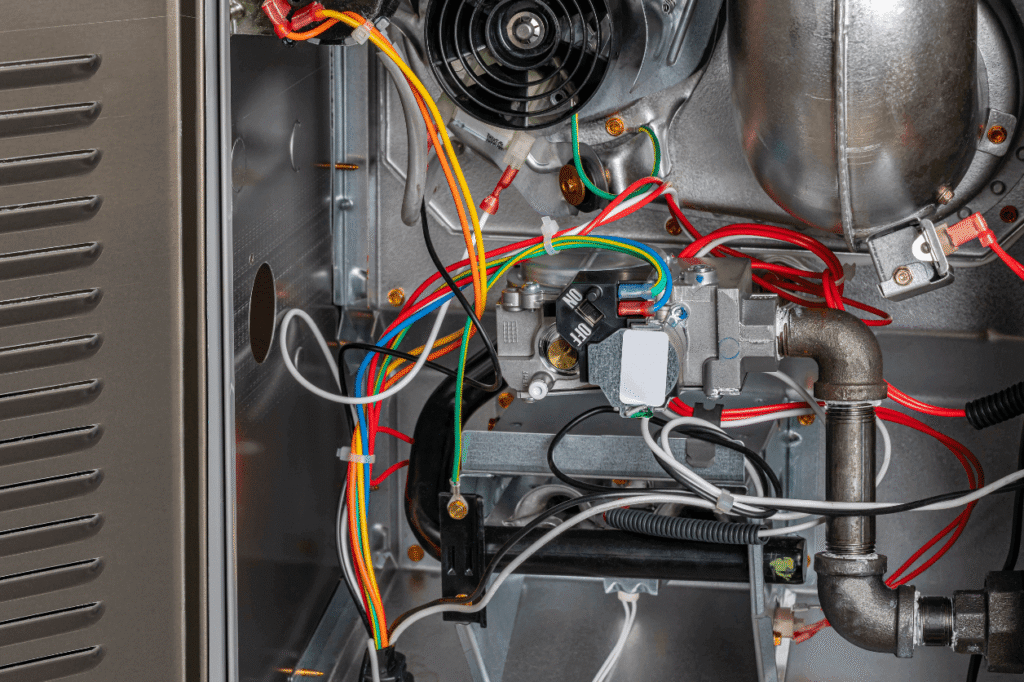
- Overheating Components (Not Normal): A persistent burning or electrical smell may indicate a failing blow motor, overheated wiring, a damaged capacitor, or motor bearings failing. These issues can pose fire risks.
Large rooftop units (RTUs) serving retail, office, or industrial spaces may overheat due to:
- Clogged filters
- Worn belts
- Motor strain from poor maintenance
If the smell lingers more than 10-15 minutes, turn off the system. Check and replace your air filter. Call our HVAC professionals for an inspection.
Musty Smell
A musty odor is extremely common in Raleigh’s humid climate. What it likely means:
- Mildew Growth: Moisture can collect in evaporator coils, drain pans, ductwork, and furnace cabinets. This becomes a breeding ground for organic growth.
- Clogged Condensate Drain: If the drain line is blocked, water backs up and stagnates, producing a musty smell.
- Oversized or Undersized System (Common in Older Homes): If your unit cycles too quickly, humidity is not properly removed, and moist air encourages organic growth.
What to Do
- Replace your HVAC filter
- Have your evaporator coil and drain line professionally cleaned
- Schedule duct cleaning
- Consider installing a whole-home dehumidifier (especially for homes in Raleigh’s humid summers)
If you smell a strong, persistent musty odor, it’s time for a service call. This can affect indoor air quality.
Fishy or Chemical Odor
A fishy smell rarely means anything good. It could be a sign of:
- Electrical Overheating: Certain electrical components emit a “fishy” smell when overheating. Possible causes include loose electrical connections, short circuits, overloaded circuits, and melting wiring.
- New HVAC Equipment: Some HVAC units release mild chemical odors during early operation as protective coatings burn off. This should dissipate within hours.
- Commercial Settings: Businesses relying on heavy electrical loads may notice fishy odors when circuits are overstressed.
A fishy odor is often a fire hazard. Turn off the system immediately and call for service.
Mechanical or Oily Smell
If you smell oil, grease, or a mechanical odor coming from your HVAC system, it likely relates to moving parts, such as:
- Motor lubrication leak
- Oil spill inside the furnace
- Failing motor bearings
- Cracked heat exchanger (rare but serious)
Gas furnaces do not typically use oil, so an oily smell may indicate mechanical failure rather than a fuel issue.
In commercial environments with large-scale heating, oil smells may come from worn belts, seized bearings, or pump system leaks.
What to Do
- Shut off the system if the smell is strong or accompanied by noise
- Schedule immediate HVAC repair
- This type of issue can lead to major breakdowns if ignored
Sweet or Chloroform-Like Smell
A sweet scent or a chemical odor reminiscent of chloroform or paint thinner can indicate a refrigerant leak.
If your system develops cracked refrigerant lines, corroded coils, or loose fittings, you may smell a distinct sweet or chemical scent.
Refrigerant leaks are serious as they:
- Reduce your system’s efficiency
- Can damage the compressor
- Can pose health risks in high concentrations
Commercial systems with extensive piping are especially prone to leaks.
What to Do
- Turn off the system.
- Schedule leak detection and repair
- Do not attempt DIY fixes – EPA regulations require licensed technicians for refrigerant handling
Rotten Egg or Sulfur Smell
This is one of the most urgent HVAC odor warnings, as it could indicate a natural gas leak. Utility companies add a sulfur-like odorant to natural gas for safety. If you smell rotten eggs, do not turn on appliances or electrical switches and evacuate immediately.
While the smell may blow through the vents, the source is typically a gas line near the furnace, water heater, or range.
After the leak is resolved, schedule an HVAC safety inspection before turning the system back on.
Dead Animal or Decaying Smell
It’s unpleasant, but it happens – especially in attics and crawl spaces across North Carolina.
Rodents or small animals may enter:
- Ductwork
- Furnace cabinets
- Crawlspace air returns
When they die inside the system or near duct lines, the HVAC spreads the odor.
What to Do
- Turn off the system to stop recirculating the smell
- Contact a pest removal specialist
- Our HVAC technicians can seal duct leaks and entry points to prevent future infestations
Chemical or “Clean Laundry” Smell
This one surprises many homeowners. It typically comes from other scents in the household being spread through the HVAC system, such as:
- Air Fresheners or Cleaning Products: Your HVAC system can amplify smells from scented candles, cleaning sprays, and laundry detergents. These odors are harmless, though sometimes irritating.
- Ozone from Air Purifiers: Some ionizing air cleaners emit ozone, which smells sharp or clean but can irritate lungs.
If the smell is overwhelming:
- Reduce use of scented products
- Switch to non-ozone air purifiers
Smoky or Fireplace Smell
A smoky odor typically originates inside the furnace or ductwork from things such as:
- Dust buildup burning
- Blocked flue or chimney
- Heat exchanger issues
- Cracked furnace housing
If your system is gas-powered and produces smoke-like smells, treat it as a safety concern.
Restaurants, venues, and industrial buildings with exhaust systems can sometimes cross-contaminate HVAC intake ducts.
What to Do
- Turn off the system
- Inspect filters and venting
- Call for service if odor persists
Dirty Sock Syndrome
Yes, this is a real thing. A foul, sweaty, gym-sock odor often signals:
- Bacterial growth on the evaporator coil
- Excess moisture during shoulder seasons (spring/fall)
This problem is common in heat pumps, which are widely used throughout Raleigh.
What to Do
- Have the coil professionally cleaned
- Improve home humidity control
- Consider UV lights for the air handler
How Regular HVAC Maintenance Prevents Odors
As a Raleigh HVAC company serving homes and commercial properties, we find that 80%+ of odor-related service calls could have been prevented with routine maintenance.
Residential benefits
- Clean coils improve air quality
- Drain lines stay clear
- Filters prevent odor-causing buildup
- Motors and wires are inspected for safety
Commercial benefits
- Prevents odor complaints from customers/tenants
- Ensures compliance with air quality standards
- Keeps large systems running efficiently
- Reduces downtime
HVAC Smells Are Your System’s Warning Signs
Your HVAC system should never produce persistent or unusual smells. If it does, think of it as a message: it’s trying to tell you something.
If you’re experiencing unexplained HVAC smells, don’t ignore them. A quick inspection now can prevent costly damage later – and keep your indoor air healthy and safe.