Commercial Hydronic Pumps in Raleigh, NC

Commercial Hydronic Pumps in Raleigh, NC

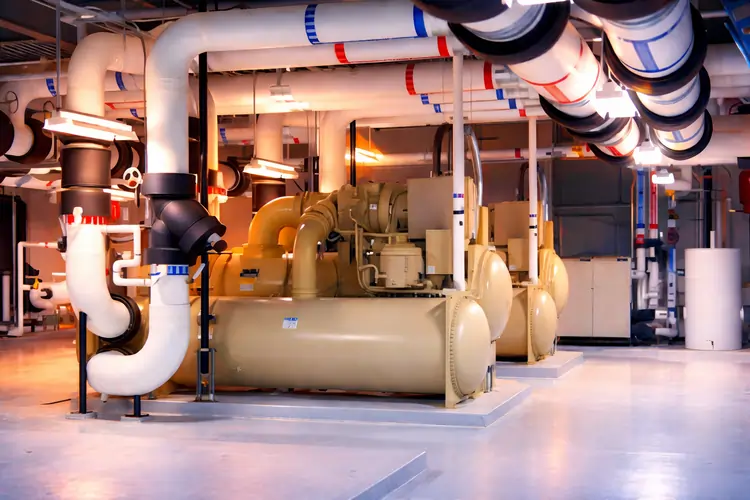
Hydronic pumps are the circulatory system of any water-based HVAC installation, moving heated or chilled water from the source to every terminal unit in the building. When they underperform, the entire system suffers. Thankfully, though, it doesn’t have to. Carolina Commercial Systems installs, services, and upgrades hydronic pumps in Raleigh for commercial properties across the Triangle. We work with inline and base-mounted circulators, primary-secondary pump arrangements, variable-speed drives that match pump output to actual system demand, and end-suction centrifugal pumps sized for larger building loads. Our technicians understand pump curves, system resistance, and the relationship between pump selection and long-term energy performance—giving you your most efficient and comprehensive fix yet. Contact us today to learn more about hydronic pump solutions in Raleigh.

How Hydronic Pump Systems Are Sized and Maintained

Proper pump selection starts with the system curve—or he relationship between flow rate and pressure drop across the distribution system. A pump that is oversized for that curve runs inefficiently and causes excess wear on valves and terminal equipment; one that is undersized cannot deliver adequate flow to maintain setpoints. We size replacement and new-installation pumps from the system design data, not just from the nameplate on the old unit. Variable-speed drives add another layer of efficiency by reducing pump speed and energy draw during partial-load conditions, which represents the majority of operating hours for most commercial buildings. Our services also include ongoing maintenance includes seal inspection and replacement, bearing lubrication, motor current checks, impeller inspection, and vibration analysis for larger pumps.

Degraded Hydronic Pumps: The Unnecessary Hidden Cost Eating Your Profits

A pump running on a worn seal, degraded bearings, or with an impeller that has corroded is consuming more energy per unit of flow delivered than a well-maintained pump—and it’s approaching failure without necessarily giving obvious heating pump failure warning signs. The failure mode that most facility managers discover too late is the pump that runs continuously trying to maintain pressure, driving up utility costs month by month while the underlying mechanical problem goes undetected. Our commercial HVAC maintenance program includes pump system checks as part of the scheduled inspection cycle, so degradation gets caught before it becomes a failure.

Hydronic Pump Problems We Diagnose and Resolve

Most hydronic pump failures follow predictable patterns—and most of them are detectable well before the pump stops working. Here are three problems we address regularly.

An oversized pump forces excess flow through a system designed for lower velocities, producing noise in pipes and terminals, accelerating wear on control valves, and driving unnecessary energy use. This is a common result when a pump is replaced on a like-for-like basis without rechecking the system curve. We size pump replacements to the actual system requirements and install variable-speed drives where the load profile supports them.

Mechanical shaft seals on hydronic pumps have a finite service life, and when they fail, the result is water on the mechanical room floor and potential damage to electrical components nearby. Seal replacement is straightforward maintenance when it is scheduled; it becomes a costly emergency when the seal fails without warning. We inspect seals as part of our maintenance program and replace them before they reach the point of failure.

Cavitation—the formation of vapor bubbles inside the pump due to insufficient inlet pressure—damages impellers, increases vibration, and dramatically shortens pump service life. It is usually the result of a system design issue: inadequate net positive suction head, a partially closed isolation valve on the suction side, or a pump located too far from the expansion tank connection. We identify and correct the root cause rather than just replacing the damaged pump.

Regularly Scheduled Commercial HVAC Maintenance

Keep your commercial HVAC systems running efficiently year-round with scheduled maintenance tailored to your facility. Reduce downtime, control energy costs, and extend equipment life.

Areas We Service

  • Raleigh
  • Apex
  • Cary
  • Durham
  • Greenville
  • Holly Springs
  • Morrisville
  • Garner
  • Rolesville
  • Wake & surrounding counties
  • Clayton

Areas We Service

  • Raleigh
  • Apex
  • Cary
  • Durham
  • Greenville
  • Holly Springs
  • Morrisville
  • Garner
  • Rolesville
  • Wake & surrounding counties
  • Clayton

Carolina Commercial Systems: Your Raleigh Hydronic Pump Experts

  • What types of hydronic pumps does CCS install and service? We work with inline circulators, base-mounted end-suction centrifugal pumps, close-coupled pumps, and primary-secondary configurations used in boiler and chiller plants. We also install variable-frequency drives on existing fixed-speed pumps as efficiency upgrades.
  • How do you determine the right pump size for a replacement? We size from the system curve—or the relationship between required flow and system pressure drop—not just from the nameplate of the unit being replaced. An oversized pump wastes energy and accelerates wear on valves and terminal equipment.
  • What is the typical payback period for a VFD retrofit on a commercial hydronic pump? It varies by system size and operating hours, but two to three years is common for pumps that run consistently during heating or cooling season. We can develop a projection based on your system’s actual operating data before you commit to the upgrade.
  • How often should hydronic pumps be professionally inspected? Annually at minimum. We recommend inspecting pumps more frequently if they have high duty cycles or systems running aggressive water chemistry. Our maintenance program includes pump checks as part of the scheduled inspection cycle so degradation is caught early.
  • What does a pump inspection cover? Seal condition, bearing lubrication, motor current draw, vibration levels, impeller inspection where accessible, and confirmation that the pump is operating within its design curve. We document findings and flag anything approaching service limits.

Fixed-speed pumps run at full capacity regardless of system demand; which means they are oversupplying flow during most of the year and wasting energy in the process. Variable-frequency drives match pump output to real-time system demand by adjusting motor speed, and the energy savings follow a cubic relationship with speed reduction: a pump running at 80% speed uses roughly half the energy of the same pump at full speed. For buildings with significant hydronic system loads, a VFD retrofit on an existing pump often pays back within two to three years. Our applied services team can evaluate your system and develop a projection based on actual operating data.

Unusual vibration or noise from the pump assembly, visible water seepage around the shaft seal, motor running hot to the touch or tripping thermal overloads, system pressure that fluctuates without a clear cause, and flow rates that have dropped from established baselines are all reasons to schedule a pump inspection. Early diagnosis on pump problems is almost always less expensive than an emergency replacement during peak heating or cooling season.

Whether you have an immediate pump failure, a system that has been underperforming for months, or a capital plan that includes hydronic upgrades, Carolina Commercial Systems can provide a clear assessment and a realistic scope. We cover the Triangle, including Raleigh, Durham, Cary, Chapel Hill, Wake Forest, and surrounding areas. Call (919) 872-3913 or contact us through our site to set up an evaluation.

Subservices

  • Commercial Duct Fabrication

  • Commercial Heat Pump Install

  • Commercial Ductless Install

  • Commercial Furnace Install

Get In Touch